
Video Doorbell vs Security Camera: Which Do You Actually Need?
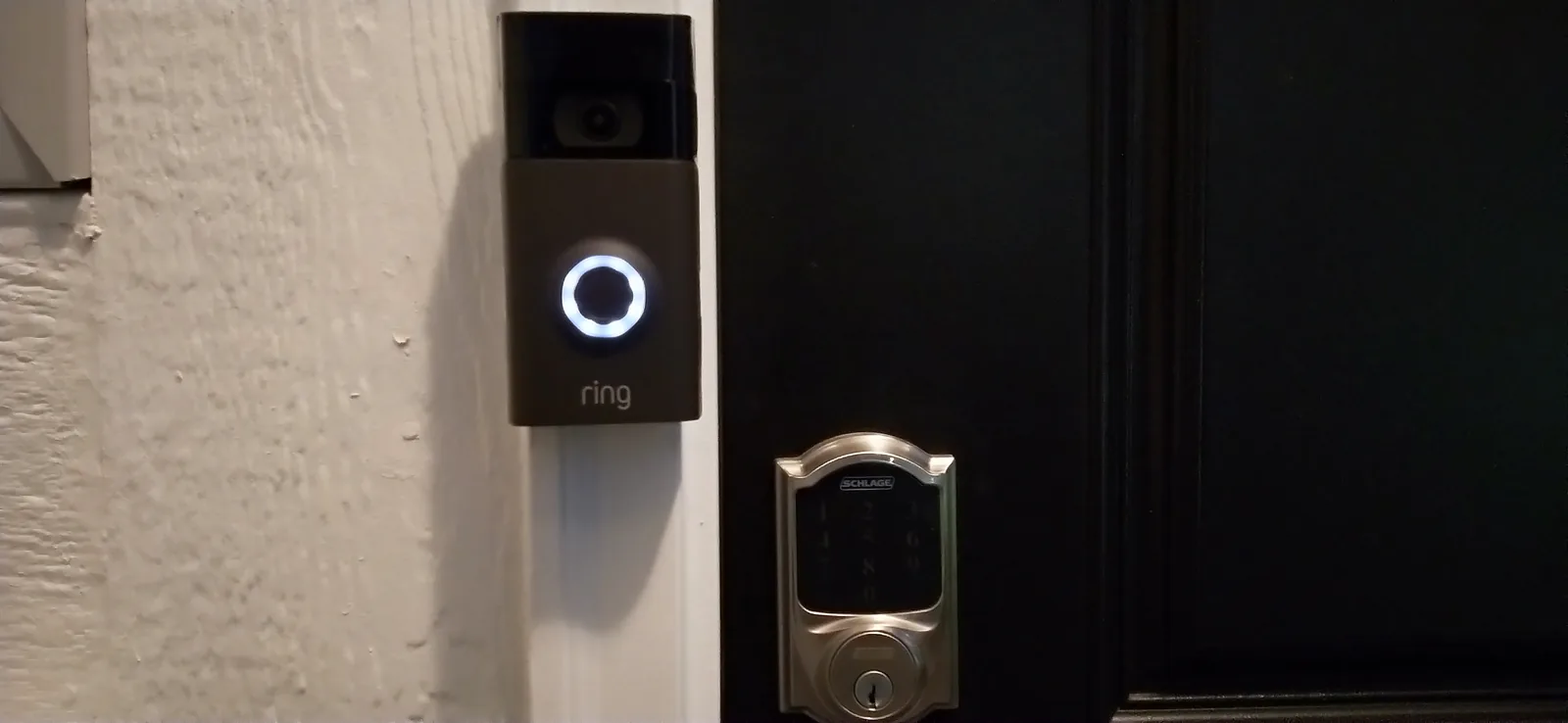
Your phone buzzes: “Package delivered.” You get home twenty minutes later and the step is empty. Someone in this exact situation buys a video doorbell the same evening — and half of them bought the wrong device.
Not because doorbells are bad. Because doorbells and security cameras do fundamentally different jobs, and “which one do I need” has a correct answer that depends on your home, not on which box looks cooler on the shelf. Get it wrong and you’re out $100–$250 for a camera pointed at a problem it was never designed to solve.
This guide gives you the decision framework, the honest trade-offs, and the real two-year costs — subscription included. No affiliate links, no brand paying for placement. Just the math and the logic.
Key Takeaways
- A video doorbell answers your door. It sees faces up close, talks to visitors, and watches packages. It sees one spot: your doorstep.
- A security camera watches an area. Driveways, back gardens, side gates, garages — anywhere you mount it. It doesn’t ring, and it doesn’t care who’s at the door.
- Live in a flat or rent? A doorbell (or peephole camera) is almost always the right first buy — it’s the only device that owns the exact spot that matters to you.
- Own a detached or semi-detached house? Start with a camera covering the side or rear access — that’s where forced entries actually happen — then add a doorbell for the front.
- The subscription decides the real price. A $100 doorbell with a $5/month plan costs $220 over two years. A $150 doorbell with no subscription costs $150. Do the two-year math before you buy.
This guide contains no affiliate links. AbodeAlly earns nothing from what you buy — these verdicts are shaped by the evidence, not commissions.
A Doorbell Answers. A Camera Watches.
Strip away the marketing and the difference is almost embarrassingly simple. A video doorbell is an interaction device. Its job is everything that happens at your front door: who rang, what they said, whether the parcel is still there, whether the house looks occupied when you’re at work. The camera points at faces from a metre away, the two-way talk is front and centre, and the motion alerts are tuned for the three square metres of your doorstep.
A security camera is a surveillance device. Its job is an area, not an interaction. It watches the driveway, the side gate, the back garden, the garage — wherever you point it, ideally mounted high and out of reach. Many models skip two-way talk entirely, and the ones that have it treat it as a bonus, not the point. Resolution tends to run higher (2K–4K is standard in 2026), the field of view is wider, and the night vision is built for distance, not for reading a face lit by a porch light.
That distinction decides everything. Porch pirates? That’s a doorstep problem — doorbell territory. Someone probing your side gate at 2am? A doorbell at the front door will never see it. Most buyers never get this far. They buy the category, not the coverage.
Video Doorbell vs Security Camera: Side by Side
| What matters | Video doorbell | Security camera |
|---|---|---|
| Core job | Answers the door: visitors, deliveries, faces | Watches an area: driveway, garden, side access |
| Placement | Fixed: beside the front door, ~1.2m high | Anywhere: walls, eaves, fences, indoors |
| Field of view | ~140–150°, head-to-toe at the doorstep | 120–180°+; PTZ models rotate |
| Video resolution | 1080p–2K typical | 2K–4K standard in 2026 |
| Two-way talk | Standard, front and centre | Common on outdoor models, not the point |
| Package detection | Yes — the reason most people buy one | No (sees the area, not the doorstep) |
| Deterrence | Visible at the door; answers make the house look occupied | Visible camera + spotlight deters across a wide area |
| 24/7 recording | Rare; event clips are the norm | Yes on wired/PoE models with NVR or plan |
| Installation | DIY-friendly; battery or existing doorbell wiring | DIY for battery; PoE/wired may need cabling |
| Renter-friendly | Excellent — battery, adhesive, peephole, over-door mounts | Good — battery models mount anywhere, nothing to wire |
| Typical device price | $60–$200 | $80–$250 |
| Subscription pressure | High on Ring/Nest/Arlo; zero on eufy/Tapo/Aqara | High on Ring/Nest/Arlo; zero on eufy/Reolink local storage |
The Decision, by Property Type
Forget the spec sheets for a minute. The right answer tracks your front door, your walls, and what you’re actually worried about.
You live in a flat with a communal entrance: buy the doorbell
The building’s front door isn’t yours to cover, and a camera in the hallway will start arguments with neighbours — and possibly break your lease. What you own is your own front door, and that’s exactly where a doorbell lives. For flats, the peephole camera is the sleeper pick: Ring’s refreshed Peephole Cam 2K launched in Canada in August 2026 at $139.99 CAD, swapping straight into your existing door viewer with zero drilling. Battery doorbells on adhesive pads or over-the-door anti-theft brackets achieve the same thing without touching a single screw.
For more on getting a doorbell up without angering your landlord, see our guide to installing a video doorbell with no wiring.
You rent a house: doorbell first, camera if the garden worries you
Renters get the doorbell’s best trait for free: it comes off cleanly. A battery doorbell on an adhesive mount leaves the wall untouched, and your deposit intact. Start there — it covers deliveries, visitors, and the front of the house. If the back garden or a detached garage nags at you, add one battery camera (a Blink Outdoor 4 or similar) aimed at it. No wiring, no landlord conversation, both devices move with you.
You own a terraced house with no rear access: buy the doorbell
If the front door is genuinely the only way in, that’s where all your coverage belongs. A doorbell gives you faces, two-way talk, and package alerts at the single point that matters. A camera would just be filming the same doorstep from a worse angle.
You own a semi or detached house: camera first, doorbell second
This is the case most guides get backwards. A detached or semi-detached house has a side gate, a back garden, and windows a doorbell will never see — and that’s where forced entries happen. A camera covering the side access or rear is the highest-value first purchase. Then add the doorbell for the front, because deliveries and visitors still deserve their own device. If the budget only stretches to one device this year, make it the camera: it protects the vulnerable side of the house, and you can answer the door the old-fashioned way until the doorbell joins it.
Packages are your whole problem: buy the doorbell, full stop
SafeWise’s 2026 package theft report counted over 104 million stolen parcels in the US in a single year — roughly 250,000 a day — with the average stolen package worth $143. Omnisend’s March 2026 survey found nearly one in three US homes had been hit. A camera mounted under the eaves sees the thief’s back. A doorbell sees their face from a metre away, announces that it’s recording, and lets you tell the courier to leave the parcel round the side. For porch piracy specifically, the doorbell isn’t just better — it’s the only device designed for the job. Dual-camera models like the eufy E340 (~$150–$200) add a dedicated downward lens that watches the doorstep itself, which is the single most useful anti-porch-pirate feature on the market.
Our eufy Video Doorbell S4 review walks through what the dual-camera setup actually does for package coverage.
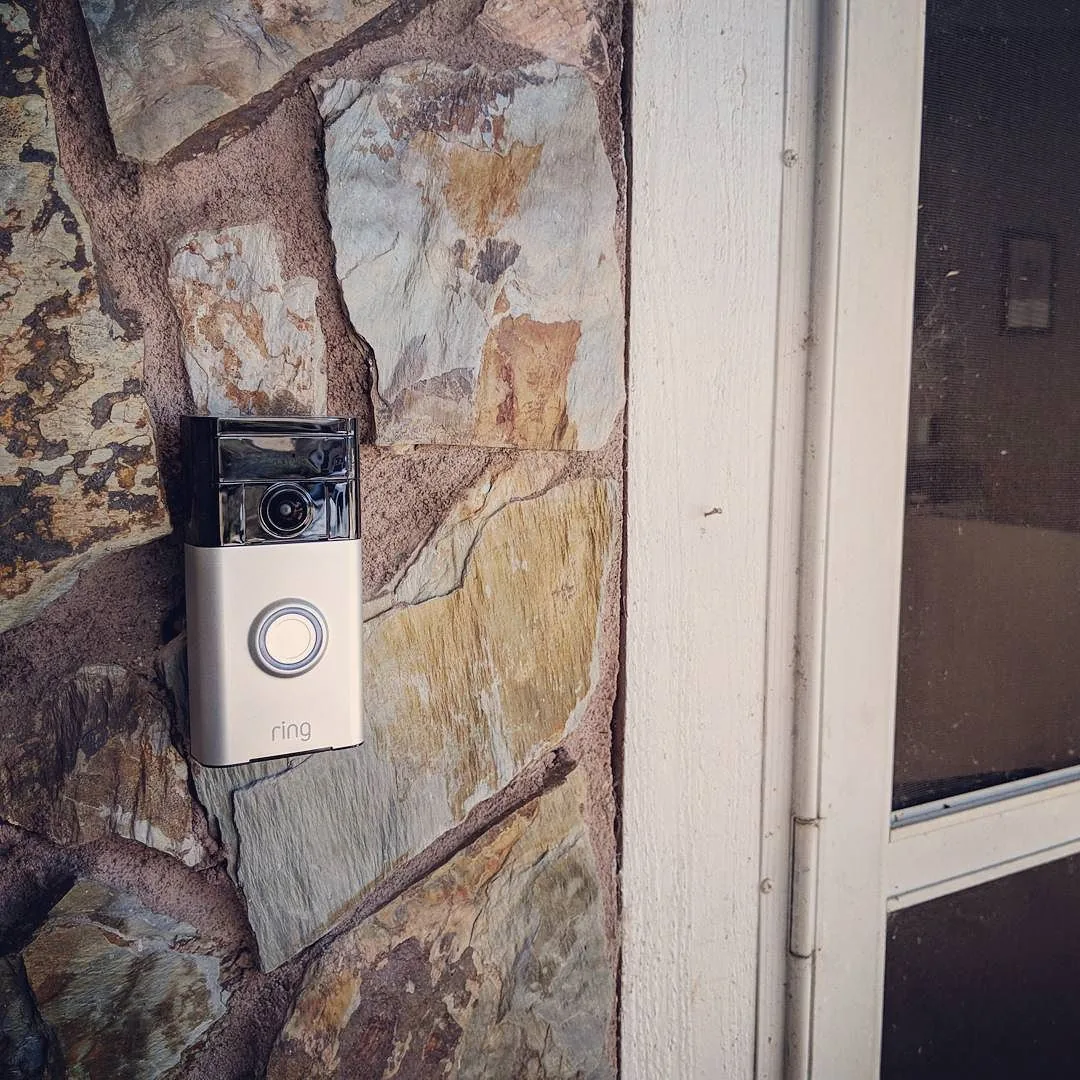
For a wired option that avoids subscriptions, see a wired doorbell with no monthly fee.
The Real Cost: Device Plus Two Years of Subscription
Sticker prices lie. The subscription is the price. Here’s representative two-year math using 2026 list prices — sales move these numbers weekly, so treat them as the shape of the cost, not a quote:
- Budget doorbell, no subscription: eufy E340 ~$150–$200 + $0/month = ~$150–$200 total. Local storage, person and package detection included.
- Ecosystem doorbell, with subscription: Ring Battery Doorbell ~$100 + Ring Home Basic $4.99/month ($49.99/year) = ~$200 total. Without the plan you lose video history and smart alerts — the features you bought it for.
- Premium camera, with subscription: Arlo Pro 6 ~$230 + Arlo Secure $7.99/month = ~$420 total. Superb 2K HDR and detection — and the priciest way to watch a driveway.
Notice what happened: the “cheap” Ring doorbell costs more over two years than the “expensive” eufy, once the subscription is counted. Ring’s whole-home Standard plan runs $9.99/month and Arlo’s unlimited plan $17.99/month — fine if you’re running four or five devices, punishing if you own one. Google’s Home Premium starts at $10/month for the whole home. This is why the subscription question belongs before the device question, not after.
We’ve done the full subscription maths elsewhere: our Arlo vs Ring subscription cost breakdown compares the plans line by line, and our no-subscription security guide maps the brands that work properly without paying monthly.
For the eufy side of the maths, see eufy cameras and subscriptions explained.
When the Answer Is Both
For a detached house with regular deliveries, the honest answer is a doorbell and a camera — because they guard different things. The doorbell owns the front: faces, conversations, packages, the daily theatre of the doorstep. The camera owns the perimeter: the side gate, the driveway, the back garden, the shed with the bikes in it.
Buy them in the right order and it doesn’t have to hurt. Start with whichever guards your biggest worry, then add the second when the budget recovers. One subscription usually covers every device from the same brand — Ring’s $9.99/month Standard plan and Arlo’s $17.99/month unlimited plan both cover the whole home — so the second device’s running cost is effectively zero. The expensive mistake is buying two devices that do the same job: two doorbells, or a doorbell plus a camera both pointed at the front step.
Renters: The No-Drill Playbook
Renting doesn’t lock you out of either category — it just changes the mounting. Four options, all deposit-safe:
- Peephole camera. Replaces your existing door viewer; no new holes, nothing on the wall. The cleanest option if your door has a peephole.
- Adhesive mount. Heavy-duty outdoor adhesive pads hold a battery doorbell on smooth frames and doors. Use residue-free pads and skip them on crumbling or textured paint.
- Over-the-door bracket. A steel arm hooks over the top of the door and clamps shut — the doorbell sits in a metal housing outside, removable only when the door is open. Works with compact battery doorbells.
- Freestanding/wedge placement. Battery cameras can sit on a shelf, a window sill, or a gutter mount watching the entrance. Not elegant; entirely reversible.
Two habits save deposits: photograph the door before you mount anything, and check the lease before you drill — even one small hole. Most landlords accept a doorbell that leaves no trace; none enjoy discovering one in the move-out inspection. Once you’ve picked a mounting method, see our apartment-friendly doorbell roundup for the five best no-drill picks ranked for renters.

A Quick Note on Privacy Law
Pointing a camera at your own door is one thing; recording the pavement, the neighbour’s garden, or audio of passers-by is another. Rules vary — US states differ on audio recording consent, the UK’s data protection rules apply if your camera captures beyond your property boundary, and some apartment buildings ban hallway cameras outright. Keep the field of view on your own property where you can, use privacy zones to mask neighbours’ windows, and if you’re unsure, a quick check of local rules beats a dispute. This isn’t legal advice — it’s a nudge to look before you mount.
Frequently Asked Questions
Can a security camera replace a video doorbell?
For watching the front of the house, yes — a camera gives you a wider, higher view. For everything a doorbell is for, no: no doorbell chime, no purpose-built two-way conversation with visitors, no package-specific detection, and no close-up face footage. If visitors and parcels are the point, the doorbell earns its place.
Do I need a subscription for a video doorbell or security camera?
Not necessarily. eufy, Tapo, Reolink and Aqara devices store footage locally and run person/package detection on-device with no monthly fee. Ring, Nest and Arlo work without a plan for live view and basic alerts, but video history, smart detection and familiar-face alerts all sit behind subscriptions ($4.99–$17.99/month depending on brand and plan in 2026). Decide your subscription tolerance before you pick a brand.
Which is better for stopping porch pirates?
The video doorbell, by a wide margin. It films faces from a metre away, announces motion, lets you speak to the courier in real time, and dual-camera models watch the doorstep itself. A security camera sees the theft happen from a distance; a doorbell is built to prevent the conditions that allow it. Over 104 million parcels were stolen in the US in a single year per SafeWise’s 2026 report — if packages are the worry, start at the door.
Can I install a video doorbell in a rented flat?
Yes — battery doorbells need no wiring, and peephole cameras, adhesive mounts, and over-the-door brackets need no drilling. Check your lease first and photograph the door before mounting anything. See our no-wiring installation guide for the full walkthrough.
Do video doorbells work without existing doorbell wiring?
Yes. Nearly every major brand sells a battery version — Ring, eufy, Arlo, Blink, Tapo and Aqara all do — and they pair with a plug-in or battery chime indoors so you still hear the ring. Battery life ranges from a few weeks to several months depending on traffic and temperature; cold weather shortens it everywhere.
Should the camera be 4K if the doorbell is only 1080p?
That’s normal, not a mismatch. Doorbells film faces at close range, where 1080p–2K is plenty. Cameras film areas at distance, where extra pixels are what let you read a number plate or recognise a face across a driveway. Match the resolution to the distance, not to the other device.
The Bottom Line
A video doorbell answers your door. A security camera watches your property. Most homes eventually want both, but the first buy should follow the worry: packages and visitors, buy the doorbell; the side gate and the driveway, buy the camera. And whatever you buy, price the subscription before the hardware — because the monthly fee is the real price tag, and it’s the one nobody puts on the box.
Still weighing the monthly fees? Our eufy vs Arlo video doorbell comparison pits the subscription-free approach against the premium ecosystem head to head, and our eufy vs Blink head-to-head covers the budget end of the market.
Wyze vs Blink camera comparison: our budget-camera showdown covering video quality, free-vs-paid features and the real 3-year cost.
Sources
- Security Guides — “Video Doorbell or Security Camera: Do You Need Both?” (April 2026): securityguides.co.uk
- Parade — “Video Doorbell or Spotlight Camera? Which To Buy First?” (2026): parade.com
- eufy — “Doorbell Cameras vs Security Camera: Which Works Best for UK Homes”: eufy.com
- SmartHomeExplorer — “Best Video Doorbell 2026: Ring vs Nest vs Eufy Compared” (device prices, subscription costs): smarthomeexplorer.com
- SmartHomeExplorer — “Ring Battery Doorbell Plus vs eufy E340” (2026): smarthomeexplorer.com
- The Ambient — “Ring vs Arlo: which security camera system should you buy?” (October 2026; plan pricing): the-ambient.com
- RECAM — “Ring vs Nest vs Arlo: Real 3-Year Costs & Privacy (2026)” (brand plan pages checked October 2026): recam.tv
- SafeWise 8th Annual Package Theft Report with SimpliSafe (January 2026; 104M+ parcels, $15B losses): einpresswire.com
- Omnisend porch-pirates study (March 2026 survey; 1 in 3 US homes, $12.8B losses): lelezard.com
- Quadient UK parcel-theft research (May 2026; 4.83M homes, £666.5M): parcelpending.com
- iPhone in Canada — “Amazon’s Ring Launches No-Drill Peephole Cam 2K in Canada” (July 2026): iphoneincanada.ca
- The Sweet & Simple Kitchen — “10 Best Doorbell Cameras for Apartments (October 2026)”: thesweetandsimplekitchen.com
- MobilityArena — “The Best Door Peephole Cameras for Apartments 2026”: mobilityarena.com
- HomeCrux — Anona dual-camera video doorbell review, adhesive installation (2026): homecrux.com




7 Comments