Best Matter Smart Home Devices in 2026
For two years, Matter was a promise printed on boxes. Buy any device, use it with any ecosystem — except the devices barely existed, the ecosystems implemented the standard at wildly different speeds, and half the “Matter compatible” labels turned out to mean “someday, via a firmware update.”
2026 is the year the promise started cashing out. The catalog crossed the point where you can build an entire home on certified Matter gear: bulbs, plugs, thermostats, locks, sensors, cameras, and the hubs that stitch them together. Matter 1.5 brought cameras into the fold. Matter 1.6 made sharing devices across ecosystems genuinely practical. And prices stopped being early-adopter punishment.
So this is the roundup: every category that matters, the one or two devices actually worth your money in each, real prices, and the catches nobody puts on the box. Our Matter explainer covers what the standard does and doesn’t do — this page is about what to buy.
Key Takeaways
- Buy the Matter badge, not the brand promise. “Works with” claims are marketing. The Matter logo on the box means certification — that’s the thing that actually guarantees cross-ecosystem compatibility.
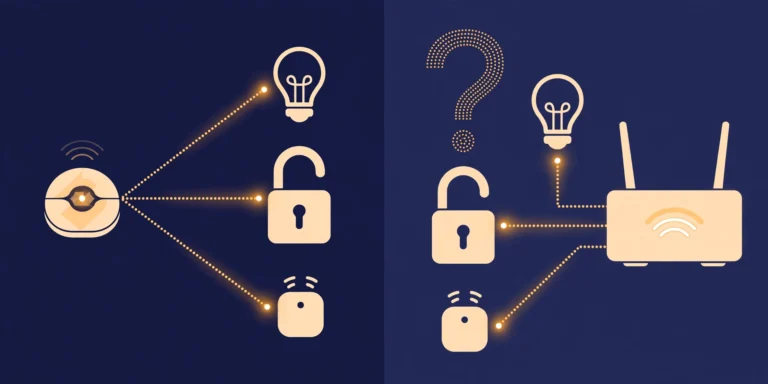
- Thread vs Wi-Fi is the real split. Thread devices are faster, sippier on battery, and keep working when your internet drops — but they need a Thread border router (a HomePod mini, Echo, or Nest Hub you may already own). Wi-Fi Matter devices skip the hub but crowd your network.
- Match the hub to your household, not the device. The phones in your pockets decide which border router to buy. The devices themselves will follow.
- Cameras are the one category where Matter is still early. The standard supports them; the ecosystems mostly don’t yet. Buy a camera for what it does today, treat the badge as a bonus.
Disclosure: This page contains affiliate links — if you buy through them, we may earn a commission at no extra cost to you.
Smart bulbs: start here, spend little
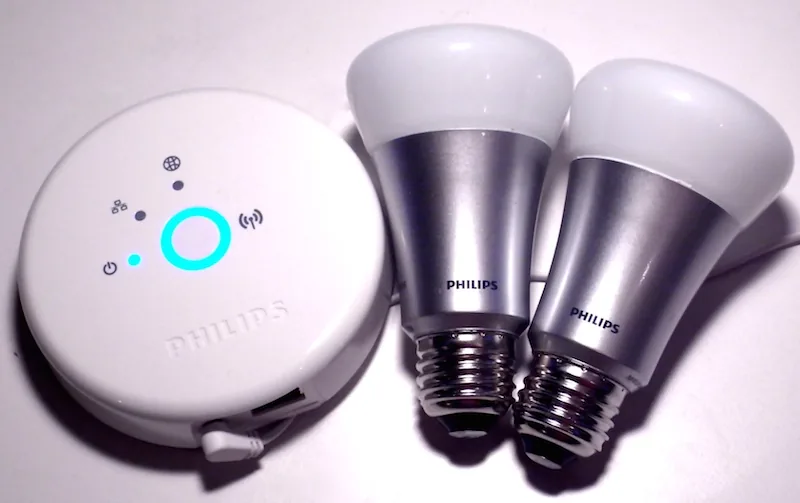
Bulbs are the gateway drug of the smart home for a reason: they’re cheap, you use them every day, and a bad one teaches you what matters (response speed, color quality) before you’ve spent real money. In 2026, this is also the most mature Matter category — the safest place to buy the badge.
Nanoleaf Essentials A19 — the one to buy
From $19.99 per bulb, the Nanoleaf Essentials A19 is the cheapest genuine Matter-over-Thread bulb worth owning. You get 1,100 lumens, 16 million colors, and native pairing with Apple Home, Google Home, Alexa, and SmartThings — no bridge, no manufacturer app required. Thread response lands around 120ms, noticeably snappier than Wi-Fi bulbs, and because it’s Thread, a house full of them won’t touch your Wi-Fi at all.
The trade-off is color finesse: side by side with a Philips Hue, whites and deep reds aren’t quite as rich. At less than half the price, that’s a trade most people should take. Buy three or four for the rooms you actually live in before you even think about the hallway.
Philips Hue White & Color Ambiance — the premium whole-home play
Hue remains the bulb for people building big. At $40–$55 per bulb plus the Bridge, it’s a serious investment — but it’s the steadiest whole-home lighting platform in existence, with color reproduction nothing else touches and a Zigbee mesh that stays up when everything else flakes. The Bridge now exposes your lights as Matter devices, so a Hue house plays nicely with every ecosystem at once.
Verdict: starting from zero, buy Nanoleaf. Already own Hue? The Bridge makes them Matter citizens — don’t rip out working lights to chase the badge. Our renter-friendly bulb guide digs deeper into the no-hub options.
For seasonal colour, see Halloween lighting with color smart bulbs.
Smart plugs: the cheapest Matter on-ramp
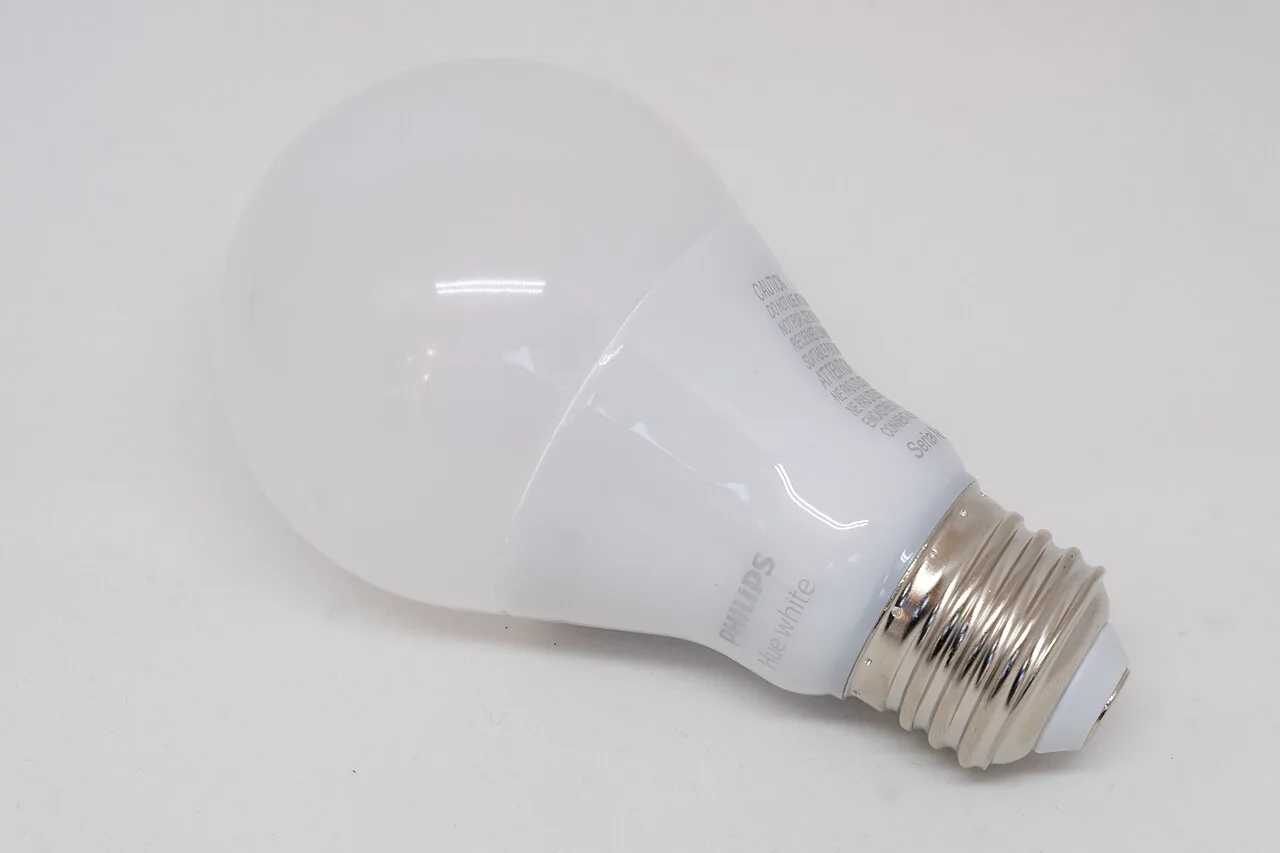
A smart plug is the lowest-stakes way into Matter: fifteen to forty dollars turns any dumb lamp, fan, or coffee maker into a scheduled, voice-controlled, energy-tracked device. It’s also where the Thread-vs-Wi-Fi split shows up first.
Eve Energy — the one to buy
At $39.99, the Eve Energy is the Matter plug done right. Matter over Thread, real-time energy monitoring accurate to about ±2W, and — the part that matters — zero cloud. No Eve account, no registration, no data leaving your home. It pairs by scanning the Matter QR code and shows up in Apple Home, Alexa, Google, and SmartThings alike.
Here’s the bit most reviews bury: every Eve Energy plugged into a wall also acts as a Thread router, strengthening the mesh for your other Thread devices. Three of these spread around the house does more for Thread coverage than a second border router. That’s what the premium over budget plugs actually buys.
TP-Link Tapo P125M — the budget pick
$19.99 MSRP (currently $24.99 at Tapo’s own store) gets you a tiny, Matter-certified plug that handles 15A/1800W and pairs with every major ecosystem. Setup is genuinely painless — Bluetooth onboarding, then it’s just there. The compromises: it’s Wi-Fi only (no Thread radio, so no mesh benefit), and there’s no energy monitoring.
Buy it for the one-off jobs — the Christmas tree, the garage fan — where Thread range doesn’t matter and you just want the thing on a schedule. Note: there’s no affiliate program for Tapo, so this one’s a straight recommendation with nothing in it for us.
Thermostats: the device that pays for itself
A thermostat is the only smart home device with a credible payback story — 10 to 25 percent off heating and cooling, year after year. It’s also the category where “works with everything” matters most, because nobody wants to rewire their furnace when they switch phone brands. Both picks below carry the Matter badge, so neither locks you in.
ecobee Smart Thermostat Premium — the one to buy
At $259.99, the ecobee Premium is the thermostat with the fewest trade-offs. A SmartSensor ships in the box, so it heats and cools based on the room you’re actually in instead of the hallway where the thermostat happens to hang. The included Power Extender Kit solves the number-one installation headache — no C-wire, no problem. Built-in Alexa, an air quality monitor, a 5-year warranty, and native support for Alexa, Google, Apple Home, and Matter round it out.
The honest flaw: ecobee’s scheduling menus feel fiddly until you’ve lived with them a week. Buy it on sale and that complaint evaporates. If your house lacks a C-wire — and most older ones do — this is the pick, full stop.
Google Nest Learning Thermostat (4th gen) — best for Google households
$279.99 list, though Google’s own store had it at $239.99 with a temperature sensor thrown in as of early October 2026. The 4th-gen Nest watches how you adjust it for about a week, then builds and maintains a schedule on its own — genuinely set-and-forget if your routine is consistent. It’s also the standout for heat-pump homes, with balance-point control that stops expensive auxiliary heat from kicking in early during cold snaps. Matter support means basic control works in Alexa and SmartThings too.
The dealbreaker for some: no Apple HomeKit, full stop. If your household runs on iPhones, skip it and buy the ecobee. If you’re deep in Google Home, this is the smoother, prettier choice — and the learning feature, while slightly overhyped, does work.

Smart locks: where Matter grew up fastest
Locks were among the first devices to get serious Matter support, and it shows: in 2026 you can buy a lock that talks to every ecosystem natively, no bridge, no hacky workarounds. The two picks below solve different problems — retrofit versus replacement — so match the lock to your door, not the other way around.
Aqara Smart Lock U200 — the one to buy
Around $169.99, the U200 is the most complete Matter lock you can buy. Native Matter over Thread, Apple Home Key (tap your iPhone or Watch to unlock), a fingerprint reader and keypad on the outdoor unit, and — the killer feature for renters and the drill-shy — it retrofits over your existing deadbolt with no drilling and no cylinder swap.
One honest caveat from early reviews: the app has occasionally misreported the lock’s state (showing locked when it wasn’t, and vice versa). Aqara has been shipping firmware updates steadily, so check you’re on the latest before judging it — but if remote lock-state monitoring is your whole use case, verify this is fixed to your satisfaction first.
SwitchBot Lock Vision — the face-unlock wildcard
Launched in May 2026 at $169.99, the Lock Vision is SwitchBot’s Matter-over-Wi-Fi deadbolt replacement with 3D structured-light facial recognition — the same tech as flagship phone face unlock, recognizing you in under a second, and it can’t be spoofed with a photo. No hub required, 12-month battery life, NFC, passcodes, and app/Watch control on top. The Pro version ($229.99) adds fingerprint and palm-vein unlock if you want biometrics three ways.
Two things to know: it’s a full deadbolt replacement, not a retrofit — renters should look at the U200 or SwitchBot’s retrofit Lock Pro instead. And it’s Wi-Fi rather than Thread, so it won’t strengthen your mesh. But as a “walk up and the door just opens” experience, nothing else at this price comes close.
Buy the SwitchBot Lock Vision at SwitchBot’s official store → Code 10UPGHELITFRM8 takes 10% off.
Sensors: the invisible upgrade
Nobody brags about their motion sensor at dinner parties, but sensors are what turn a collection of gadgets into an actual smart home. Lights that only fire when a room is both occupied and dark. Heating that stops warming an empty house. A text when the back door opens at 2am. Two picks cover 90 percent of it.
Aqara Motion and Light Sensor P2 — the one to buy
$33.99 gets you two sensors in one tiny package: a PIR motion detector with a wide 170-degree field of view, plus an independent ambient light sensor. That second sensor is the whole game — it lets you build the automation everyone actually wants (“turn on the hallway lights when someone walks through, but only if it’s dark”) instead of lights blazing at noon. Matter over Thread, up to 2 years on the included batteries, and it pairs directly with any Thread border router — no Aqara hub required.
Eve Door & Window — the automation starter
Around $30–$38, Eve’s contact sensor is the cheapest meaningful Matter device you can own. Door opens → lights on. Window opens while the AC runs → thermostat pauses. It’s Matter over Thread, it’s private by Eve’s usual no-cloud design, and one $30 sensor teaches you more about what you want from a smart home than a $300 gadget will.
Fair warning for both picks: they’re Thread devices, so they need a Thread border router in the house. Which brings us to the least glamorous — and most important — category.
Thread border routers: the hub question, answered
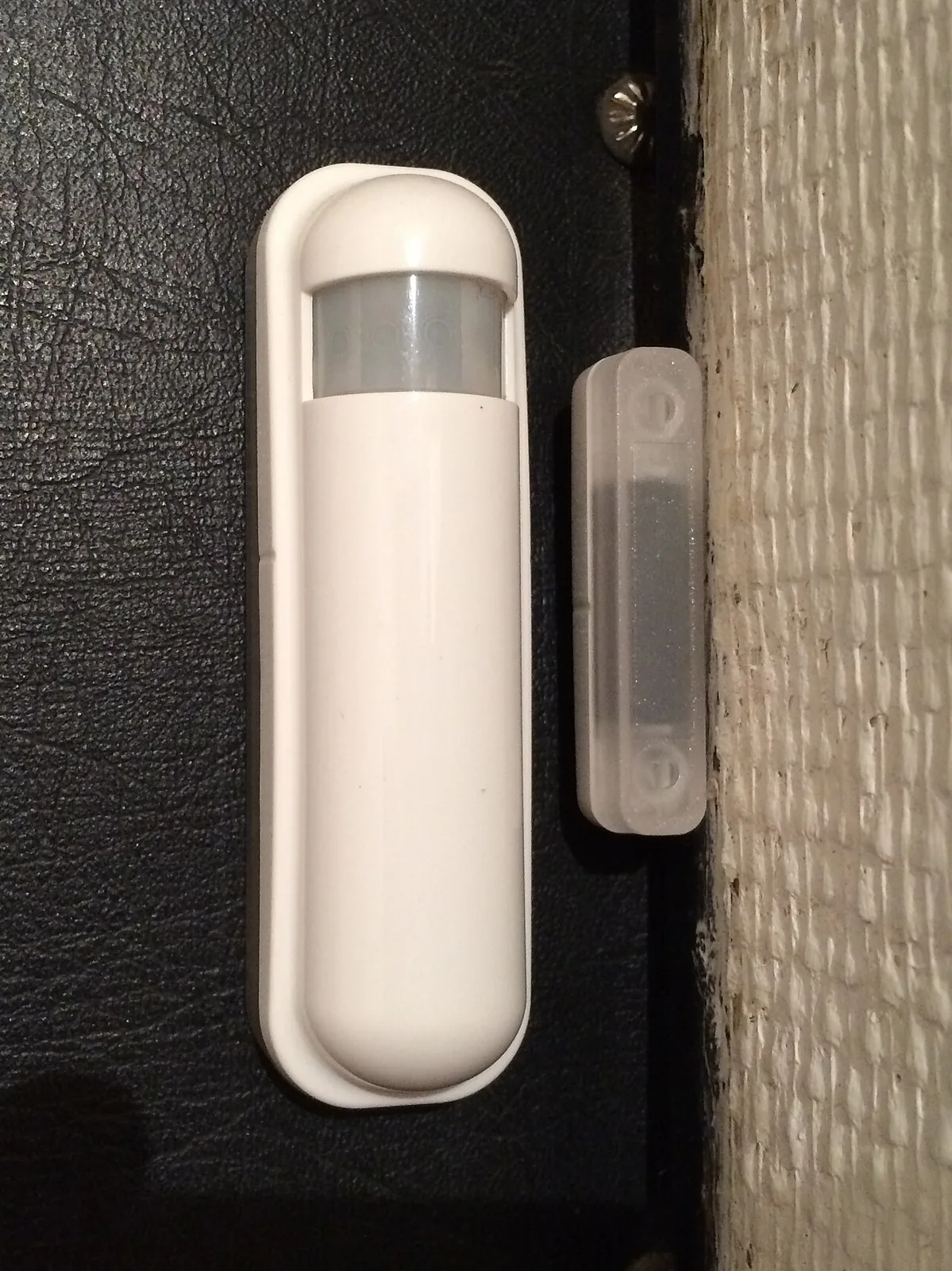
Here’s the thing nobody tells you until you’ve bought six Thread devices that won’t pair: Matter over Thread needs a border router — a device that bridges the Thread mesh to your Wi-Fi and the internet. The good news is you probably already own one, or you’re one $99 purchase away. Our full breakdown lives in do you actually need a hub for Matter devices — the short version:
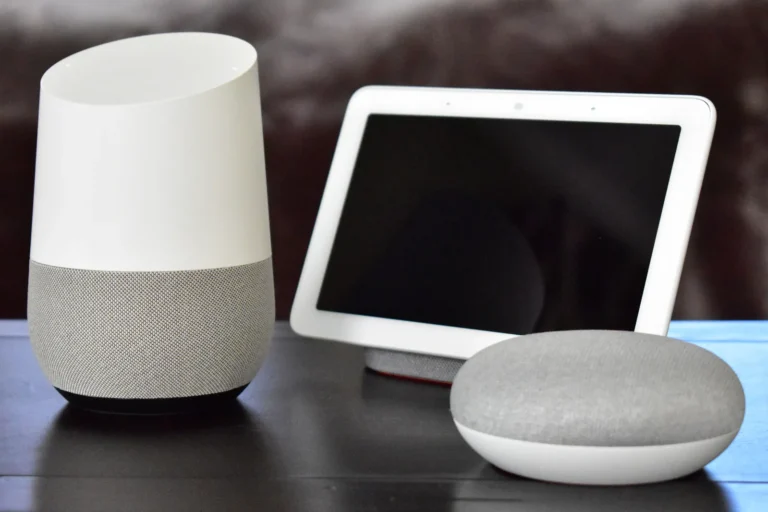
- Apple household → HomePod mini ($99). Thread border router, Apple Home hub, and a genuinely good-sounding speaker. If your home runs on iPhones, this is the one box that unlocks everything above.
- Alexa household → Echo Dot Max ($99). Thread and Zigbee radios plus Matter, so it covers old and new devices alike — and it’s a proper speaker, not a hockey puck.
- Google household → Nest Hub (2nd gen) (~$99). Thread border router with a display for good measure.
You need exactly one to start — buy the one matching your phones, not the one with the longest spec sheet. If you’re still deciding between ecosystems, our 2026 ecosystem comparison settles it by household, not by spec sheet. If you’d rather have a dedicated hub, see the best no-subscription hubs.
For a platform trade-off, see local control vs ease of use.
New to the standard itself? Our What Is Matter explainer covers how the standard and the Thread mesh fit together.
Cameras & doorbells: Matter’s newest frontier
Matter 1.5 added cameras to the standard in late 2025, and 2026 brought the first certified hardware. But let’s be blunt: this is the one category where the badge runs ahead of reality. As of now, only Samsung’s SmartThings has added Matter camera support — Apple, Google, and Amazon haven’t caught up. Buy these cameras for what they do today; the Matter support is a bet on the future, not a feature you can use everywhere yet.
Aqara Doorbell Camera Hub G410 — the one to buy
At $133.99, the G410 is the rare doorbell that’s also infrastructure. It’s a 2K video doorbell with HomeKit Secure Video, local microSD storage (no subscription), and on-device face recognition — and it’s also a Matter hub and Thread border router. One device covering your front door and extending your Thread mesh is genuinely clever value.
The catches: it runs on six AA batteries (rated around 5 months), and without HomeKit Secure Video or a plan, you’re on microSD-only storage with the card sold separately. For an Apple household wanting local video and a hub in one purchase, that’s a fair trade.
Aqara Camera Hub G350 — the history-maker
The G350 is the world’s first Matter-certified camera, launched in March 2026 — a 4K dual-lens indoor camera with 360-degree pan-tilt, person and pet tracking, and local storage up to 512GB. It doubles as a Zigbee hub, a Matter controller, and a Matter bridge for your Aqara devices. Buy it because it’s an excellent camera on its own merits; the Matter badge means it’ll slot into multi-ecosystem setups as platform support arrives. (Pricing moves around — check the current price before you commit.)
Cameras are where the hub question gets trickiest, so check whether you need a hub for Matter devices before assuming a doorbell needs extra hardware.
Every pick, side by side
| Category | Our pick | Price | Protocol | Why it wins |
|---|---|---|---|---|
| Smart bulbs | Nanoleaf Essentials A19 | ~$20 | Matter over Thread | Cheapest real Thread bulb, no bridge |
| Smart bulbs (premium) | Philips Hue White & Color | $40–55 + Bridge | Zigbee, Matter via Bridge | Best color, steadiest whole-home mesh |
| Smart plugs | Eve Energy | $40 | Matter over Thread | Energy monitoring, zero cloud, extends Thread mesh |
| Smart plugs (budget) | Tapo P125M | $20 | Matter over Wi-Fi | Tiny, cheap, pairs with everything |
| Thermostats | ecobee Premium | $260 | Wi-Fi, Matter | Fewest trade-offs, sensor + PEK in box |
| Thermostats (Google) | Nest Learning 4th gen | $280 | Matter | Self-scheduling, best for Google homes |
| Smart locks | Aqara U200 | ~$170 | Matter over Thread | Retrofit, Home Key, fingerprint + keypad |
| Smart locks (face unlock) | SwitchBot Lock Vision | $170 | Matter over Wi-Fi | 3D face unlock, no hub needed |
| Sensors | Aqara P2 Motion + Light | $34 | Matter over Thread | Motion + lux in one, 2-year battery |
| Sensors (starter) | Eve Door & Window | ~$30–38 | Matter over Thread | Cheapest meaningful automation trigger |
| Border router | HomePod mini / Echo Dot Max | $99 | Thread + more | Match it to your phones, buy one |
| Doorbell | Aqara G410 | $134 | Matter hub + Thread router | 2K doorbell that’s also your hub |
| Camera | Aqara G350 | Check price | Matter-certified | World’s first Matter camera, great hardware |
What to avoid
A roundup of what not to buy is worth more than the picks, because Matter’s growing pains all live here:
- “Matter compatible” without the badge. “Compatible,” “ready,” and “via future update” are not certification. If the Matter logo isn’t on the box or the listing, assume it doesn’t count — plenty of 2024-era devices are still waiting on updates that may never ship.
- Thread devices with no border router. A Thread bulb with nothing to border-route to is a very expensive dumb bulb. Buy the $99 hub first, then the Thread gear.
- Buying a camera for Matter. The standard supports cameras; Apple, Google, and Amazon don’t yet. The G350 and G410 are worth buying as cameras — don’t pay extra anywhere for a camera badge you can’t use.
- A dozen Wi-Fi Matter bulbs. Wi-Fi is fine for a plug or two, but twenty Wi-Fi bulbs will crowd a basic router and slow everything else in the house. Past ~10 devices, go Thread.
- A lock that doesn’t fit your door. Retrofit locks (U200, SwitchBot Lock Pro) mount over your existing deadbolt — great for renters. Replacement locks (Lock Vision) swap the whole deadbolt — check your door type and your lease before you buy either.
FAQ
Do I need a hub for Matter devices?
For Matter-over-Wi-Fi devices, no — they join your Wi-Fi like anything else. For Matter-over-Thread devices (most bulbs, plugs, sensors, and locks on this page), you need one Thread border router: a HomePod mini, an Echo with Thread, a Nest Hub, or similar. One is enough to start. Our full guide to whether you need a hub for Matter devices walks through the decision.
What’s the difference between Matter over Thread and Matter over Wi-Fi?
Same standard, different transport. Thread is a low-power mesh network: devices relay for each other, respond faster, sip battery, and keep working locally if your internet drops. Wi-Fi Matter devices are simpler to set up (no border router) but each one is another client on your router. Rule of thumb: Thread for anything battery-powered or anything you’re buying more than a few of.
Will Matter devices work with Alexa and Google Home at the same time?
Yes — that’s the multi-admin feature, and it’s the whole point of the standard. Pair a Matter device once, then share it into a second (or third) ecosystem from the first app’s settings. Matter 1.6’s Joint Fabric makes this smoother still. Each ecosystem controls the device independently; automations stay per-platform.
Are Matter cameras worth buying yet?
As cameras, yes — the Aqara G350 and G410 are genuinely good hardware with local storage and no required subscription. As Matter cameras, temper expectations: only SmartThings has added Matter camera support so far. Buy for the camera you get today; treat the badge as future-proofing.
Is Philips Hue worth it if I’m starting from scratch?
Only if you’re planning big — ten-plus bulbs, whole rooms, scenes everywhere. Below that scale, the Bridge tax stings and Nanoleaf’s Thread bulbs do 90 percent of the job at 40 percent of the price. Hue earns its money at scale: the Zigbee mesh and color quality are still the best in the business.
What’s the cheapest way to start a Matter smart home?
A used or sale-priced HomePod mini or Echo Dot (the $99 border router), two Nanoleaf Essentials bulbs (~$40), and an Eve Door & Window sensor (~$30). Under $175 total gets you lighting, voice control, and your first real automation — and every piece speaks Matter, so nothing gets stranded when you switch ecosystems later.
Sources
- TechRadar: Nanoleaf Matter Essentials smart bulb review — $19.99 pricing, 1100-lumen spec, Matter/Thread details
- TechHomeJournal: Best Smart Light Bulbs 2026 — Hue $49–55, Nanoleaf $22–28 price bands
- SmartHomeExplorer: Best Matter Smart Bulbs for Cross-Ecosystem Homes (2026) — Nanoleaf vs Hue verdicts, Hue Bridge Pro $119.97
- SmartHomeExplorer: Best Smart Plugs and Outlets 2026 — Eve Energy vs Tapo P125M comparison
- Best Buy: Eve Energy Smart Plug (Matter) — $39.99 current price, specifications
- 9to5Toys (Oct 2026): Eve fall Prime Day deals — Eve Energy $32, Eve Door & Window $30 deal pricing
- TechRadar: Tapo P125M review — $19.99 MSRP, Matter certification, performance notes
- TP-Link: Tapo P125M launch announcement — $19.99 MSRP confirmation
- HomeToolHQ (Oct 2026): Nest Learning Thermostat 4th Gen Review 2026 — $239.99 Google Store sale, $279.99 MSRP, ecobee Premium $259.99
- Trunetto (Oct 2026): ecobee Premium vs Nest Learning Thermostat — pricing, warranty, Matter support comparison
- One Green Planet: Best Smart Thermostats for 2026 — ecobee best-overall verdict, ~$199–249 street pricing
- HomeTechSupply (Sept 2026): Aqara Smart Lock U200 — $169.99 price, specifications
- MacRumors (May 2026): SwitchBot Launches Two Matter Smart Locks — Lock Vision $169.99, Lock Vision Pro $229.99, Matter over Wi-Fi
- 9to5Mac (May 2026): SwitchBot Lock Vision — pricing and feature details
- SwitchBot UK: SwitchBot Lock Pro — Matter support via hub, £139.99 pricing
- Aqara: Motion and Light Sensor P2 — $33.99 price, Matter over Thread specifications
- AppleInsider (Mar 2026): Matter’s first camera has arrived — Aqara G350, world’s first Matter-certified camera
- 9to5Mac (Mar 2026): Aqara G350 and G400 launch — specifications and availability
- Business Wire (Mar 2026): Aqara security lineup announcement — G350 Matter certification confirmation
- WebProNews: SmartThings leads on Matter cameras — only SmartThings supports Matter 1.5 cameras so far
- Tom’s Guide: Matter 1.5 update — camera support added to the standard
- SmartHomeExplorer: No-subscription doorbell comparison 2026 — Aqara G410 $133.99, specifications
We’ll keep this guide current as the Matter catalog grows — and it grows fast these days.


5 Comments