
Best Home Energy Monitor in 2026: 4 Picks After Sense Left the Market
The best home energy monitor in 2026 is the Emporia Vue 3: it measures up to 16 individual circuits at ±2% accuracy, is UL and CE listed, and charges no subscription for its app. It wins because Sense — the category’s most famous name — stopped selling hardware on December 31, 2025, and none of the stale roundups ranking today reflect that.
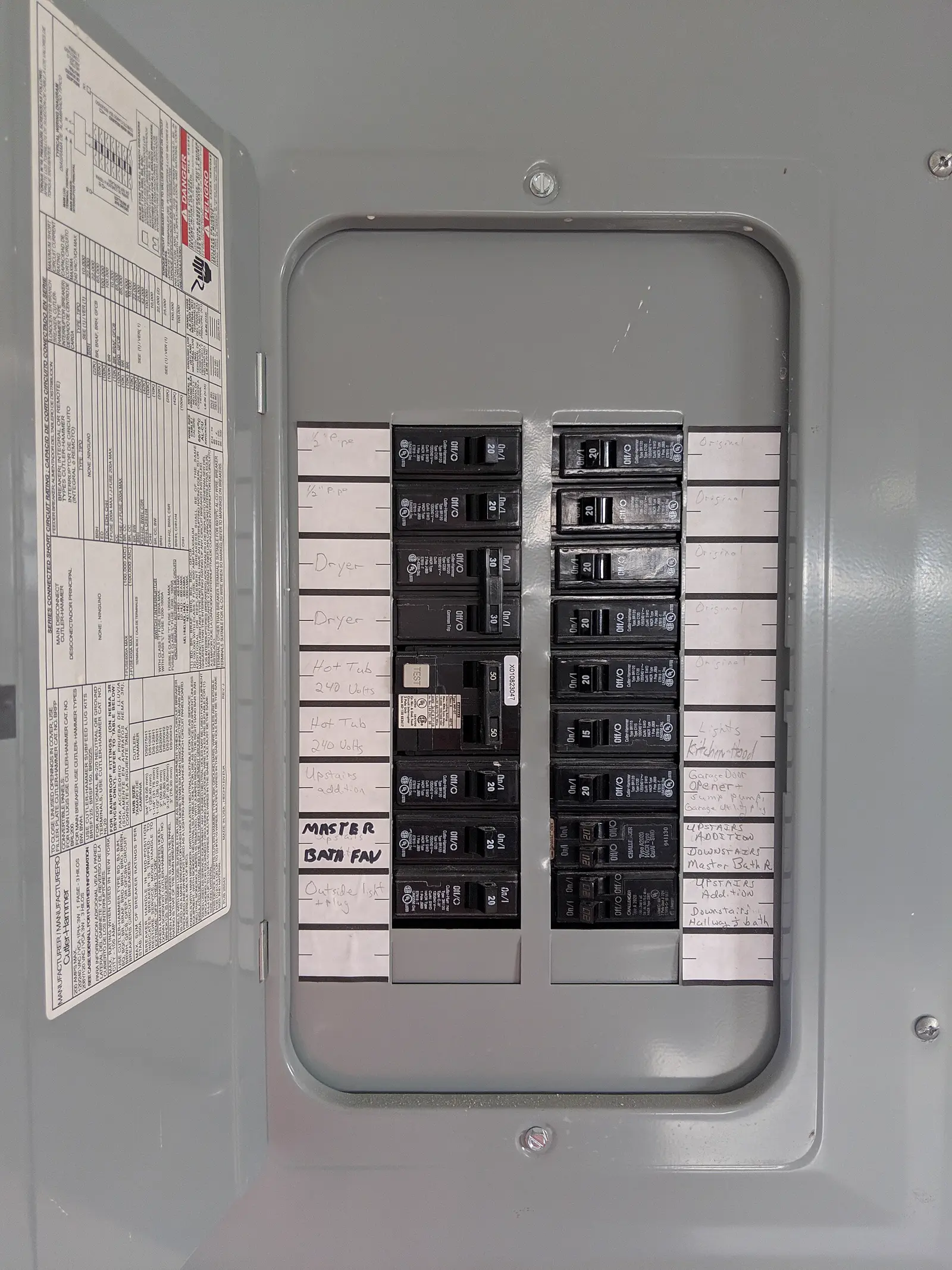
A whole-home energy monitor clamps sensors onto the mains and branch circuits inside your electrical panel, then shows exactly where your electricity goes: the water heater at 4.5 kW, the dryer, the always-on “vampire” loads. Below are the four monitors worth buying now — every one verified against current manufacturer and editorial sources, with zero recurring fees.
Key Takeaways
- Best overall: Emporia Vue 3 — 16 branch-circuit sensors, ±2% accuracy, UL/CE listed, 2.4 GHz Wi-Fi or Ethernet, solar and net-metering support, no subscription.
- Best premium pick: Siemens Inhab — complete bundle with all sensors in the box, advanced time-of-use and peak-demand features, no subscription, from an established electrical brand.
- Best simple whole-home monitor: Eyedro Home — two 200A sensors, ±1% typical accuracy, Wi-Fi or Ethernet, free MyEyedro cloud for life, solar-ready.
- Best for tinkerers: IoTaWatt — fully open-source hardware and software, 14 channels, logs locally to SD card, no cloud dependency, UL-listed hardware.
- Do not buy new: Sense stopped selling its monitor on December 31, 2025 and pivoted to utility smart-meter software. Existing owners are still supported.
What happened to Sense?
Sense was the best-known home energy monitor for nearly a decade, famous for AI that identified individual appliances from the whole-home signal. In late 2025 the company told customers it would stop selling the Sense Monitor on December 31, 2025, and shift fully to a software model embedded in next-generation utility smart meters.
If you already own a Sense monitor, nothing changes — the company says existing owners keep getting app updates, firmware updates, device-detection improvements, and warranty coverage. But if you’re shopping today, do not buy a Sense monitor new. Remaining retail stock is leftover inventory with no hardware future, and many of the roundups still ranking for “best home energy monitor” recommend it without mentioning the exit. That gap is exactly why this guide exists.
How we picked the best home energy monitors
We applied four hard filters, and dropped every product that failed one:
- Currently sold and supported — no discontinued hardware (this alone disqualifies Sense for new buyers).
- No subscription required — core monitoring must work with zero recurring fees.
- Real, verifiable specs — every figure below comes from the manufacturer, its published product guide, or current editorial coverage. Nothing is estimated or rounded up.
- A real differentiator — each pick owns a lane: best overall, premium bundle, simple whole-home, open-source.
The 4 best home energy monitors in 2026
1. Emporia Vue 3 — Best overall
The Emporia Vue 3 (model EMV3A-2P-16) is the category’s best-selling monitor and the safest default choice. It installs inside your breaker panel with two 200 A current sensors on the mains plus up to sixteen 50 A sensors on individual branch circuits, so you see real per-circuit data from day one — no AI guessing, no training period.
- Accuracy: ±2%
- Circuit coverage: 2 × 200 A mains + up to 16 × 50 A branch sensors
- Connectivity: 2.4 GHz Wi-Fi or Ethernet
- Data granularity: 1-second readings (kept 3 hours), 1-minute (7 days), 1-hour (indefinite)
- Solar/net metering: Yes
- Safety: UL and CE listed
- Subscription: None — the app is free
The Vue 3 also integrates with Emporia’s EV chargers and smart plugs, and supports time-of-use rate plans so you can see what peak-hour usage actually costs. The 16-sensor bundle covers a typical home’s major circuits; an 8-sensor version exists if your panel is simpler. Professional installation is recommended — you’re working inside a live panel.
Best for: most homeowners who want detailed circuit-level data without a subscription.
2. Siemens Inhab — Best premium pick
The Siemens Inhab is the newer, more complete option: it ships with everything in the box — two main sensors plus all 16 branch sensors — so there’s no bundle math to do. It adds advanced time-of-use, solar, and peak-demand management features aimed at households on complex rate plans, and it comes from Siemens, an established electrical brand rather than a startup.
Per current editorial coverage of the product: UL listed and CE marked, no subscription fees, 3-phase panel support via add-on sensors, and the app and cloud are currently US and Canada only. The trade-offs: a higher upfront cost than the Emporia Vue 3, and as a newer product it has a smaller review base (around 69 Amazon reviews at 4.4 stars in recent coverage).
Best for: buyers who want the complete package from a trusted electrical brand and advanced rate-plan features.
3. Eyedro Home — Best simple whole-home monitor
Eyedro has been making energy monitors for over a decade, and the Eyedro Home is deliberately simple: two 200 A directional sensors on your mains, real-time data to the free MyEyedro cloud, and nothing else to configure. It won’t tell you what each circuit uses, but it tells you exactly what your whole home uses — and what your solar array generates.
- Accuracy: ±1% typical (sensors)
- Circuit coverage: 2 × 200 A mains sensors (whole-home; no branch sensors)
- Connectivity: 2.4 GHz Wi-Fi or wired Ethernet — the Ethernet option is rare in this category and a genuine reliability win if your panel sits in a Wi-Fi dead zone
- Solar/net metering: Yes, though splitting consumption and generation requires two units
- Subscription: None — MyEyedro cloud access is included free for life
- Also: browser-based dashboard (no app download required), works with Alexa
Note the honest limitation: a single Eyedro unit monitors either grid energy, solar, or net metering — not all at once. For basic “what is my house using right now” monitoring with zero ongoing cost, it’s the simplest path in.
Best for: homeowners who want reliable whole-home numbers with no subscription and no complexity.
4. IoTaWatt — Best for tinkerers and the privacy-conscious
IoTaWatt is the odd one out — and the most interesting. It’s an open-hardware, open-source project: the firmware, the hardware designs, and the data pipeline are all open. The unit supports 14 power-monitoring channels, samples voltage and current at high rates, and logs everything to a local SD card every five seconds.
That local-first design is the point. IoTaWatt keeps working without an internet connection, serves its own web dashboard on your local network, and can optionally upload to Emoncms. The manufactured unit is tested to UL standards in the US and Canada, and is CE and FCC compliant. User reports typically put it within about 1% of revenue meters, though it isn’t certified to a measurement standard.
The trade-off is polish: setup is a DIY affair, there’s no glossy consumer app, and support is community-driven. But if you run Home Assistant, care about data privacy, or want your energy data to survive a vendor pivot (a real concern in this category — see Sense), nothing else comes close.
Best for: DIYers, Home Assistant users, and anyone who wants their data to live at home, not in someone else’s cloud.
At a glance: compare the top picks
| Product | Best for | Branch sensors | Accuracy | Connectivity | Subscription | Solar/net metering |
|---|---|---|---|---|---|---|
| Emporia Vue 3 | Best overall | Up to 16 × 50 A + 2 × 200 A mains | ±2% | Wi-Fi 2.4 GHz / Ethernet | None | Yes |
| Siemens Inhab | Premium complete bundle | 16 branch + 2 mains (all included) | Not published | Wi-Fi | None | Yes |
| Eyedro Home | Simple whole-home | None (mains only, 2 × 200 A) | ±1% typical | Wi-Fi 2.4 GHz / Ethernet | None | Yes (2 units for split) |
| IoTaWatt | Open-source / local-first | 14 channels | ~1% typical (user-reported) | Wi-Fi | None | Via Emoncms |
How do whole-home energy monitors work?
A whole-home monitor measures current with current transformers (CTs) — clamp-on sensors that snap around the hot wires in your breaker panel without cutting anything. Two large CTs go on the main service lines; smaller ones clip onto individual branch breakers. The monitor multiplies current by voltage to compute real power (watts), then reports it to an app or web dashboard.
Because the sensors measure electrically rather than guessing, per-circuit monitors like the Emporia Vue 3 and Siemens Inhab identify loads reliably from the first minute. Whole-home-only monitors like Eyedro measure the aggregate signal; some, like the old Sense, used machine learning to disaggregate individual devices from that signal — clever, but slower and less certain than a CT on the actual circuit.
Do you need an electrician to install one?
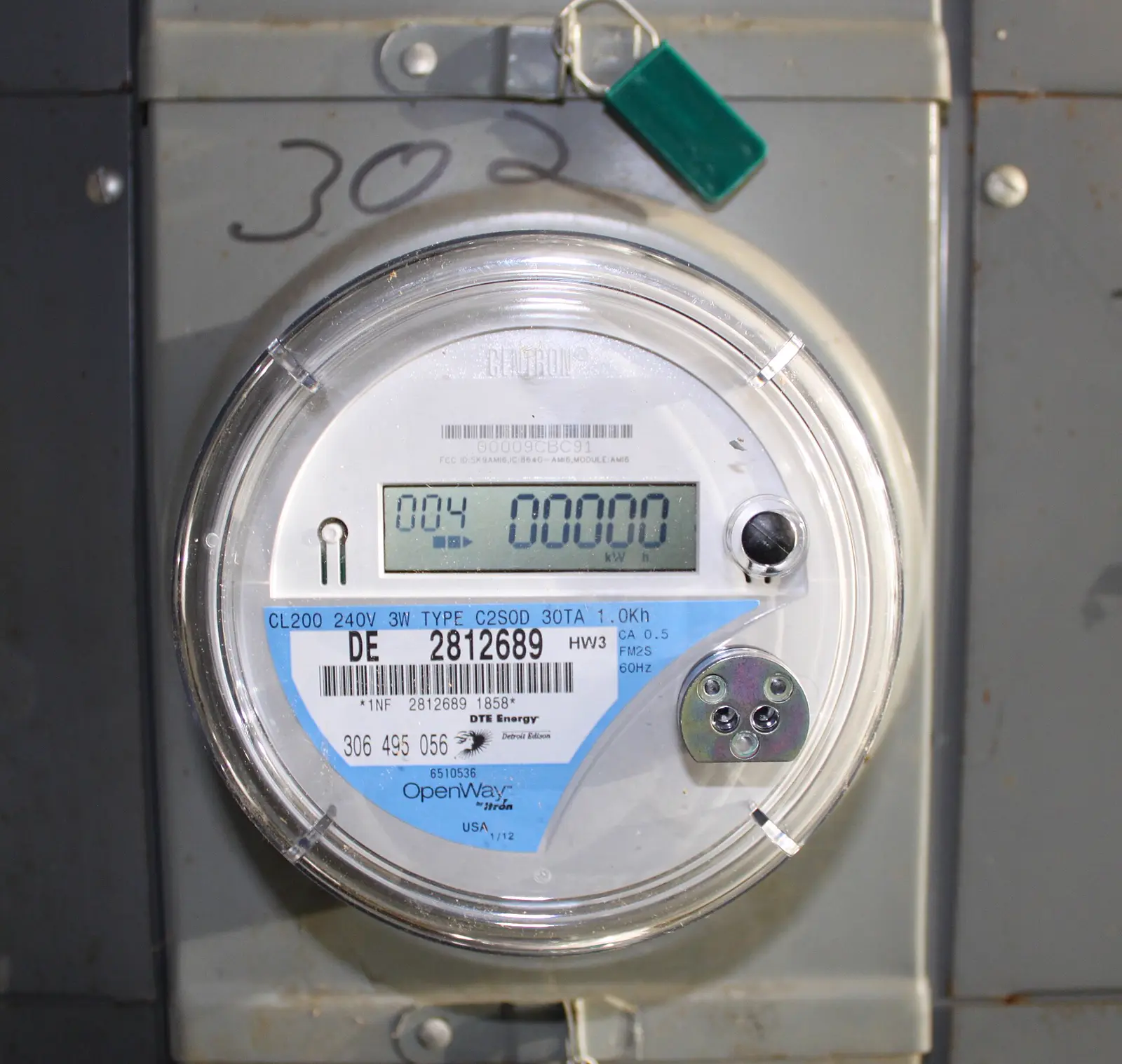
Strongly recommended: yes. Installing any of these monitors means opening your breaker panel, working around live service conductors, and powering the unit from a spare 15 A or 20 A breaker. Emporia, Eyedro, and IoTaWatt all describe installation inside the panel; the work is straightforward for a licensed electrician (typically under an hour) and dangerous to guess at.
Two safety notes worth repeating: buy only monitors with recognized safety listings (UL, ETL, or CE — every pick above has one), and never install a monitor in a panel with known damage, corrosion, or aluminum branch wiring without an electrician’s assessment.
Can an energy monitor actually lower your bill?
Honestly: the monitor doesn’t save a single watt — what you do with the data does. The realistic savings come from three places:
- Finding always-on waste. Most homes have 50–200 W of standby load. At 100 W running 24/7, that’s 876 kWh a year — real money on a high-rate plan.
- Shifting usage off peak. If your utility has time-of-use rates, a monitor shows exactly what your 5–9 PM spike costs, so you can move the EV charger, dryer, or water heater to off-peak hours.
- Right-sizing solar. If you’re considering panels, a year of real consumption data beats every estimate an installer will give you.
If standby waste is your main concern, smart plugs with energy monitoring are the cheaper first step before a panel monitor — worth a dedicated guide of its own.
What to check before you buy
- Panel space: branch-circuit monitors need physical room for 8–16 CTs inside the panel. Older or crowded panels may not fit them — check before ordering.
- Voltage and phase: all four picks suit standard North American split-phase homes. Three-phase or European installations need the right variant — confirm with the manufacturer.
- Spare breaker: the monitor itself needs a 15 A or 20 A breaker for power. If your panel is full, that’s an electrician conversation.
- Wi-Fi at the panel: panels often live in basements or garages with weak signal. The Emporia Vue 3 and Eyedro Home offer Ethernet as a fallback — a real advantage in those spots.
- Solar plans: if you have or want solar, confirm net-metering support. The Eyedro needs two units to track consumption and generation separately.
Frequently asked questions
Is there a monthly fee for home energy monitors?
No — none of our four picks require a subscription. Emporia, Siemens Inhab, and Eyedro all include their apps and cloud dashboards free with the hardware, and IoTaWatt stores data locally on an SD card with no cloud at all. Be wary of older guides that don’t distinguish; the category’s whole value proposition is hardware you buy once.
Will a home energy monitor work with my solar panels?
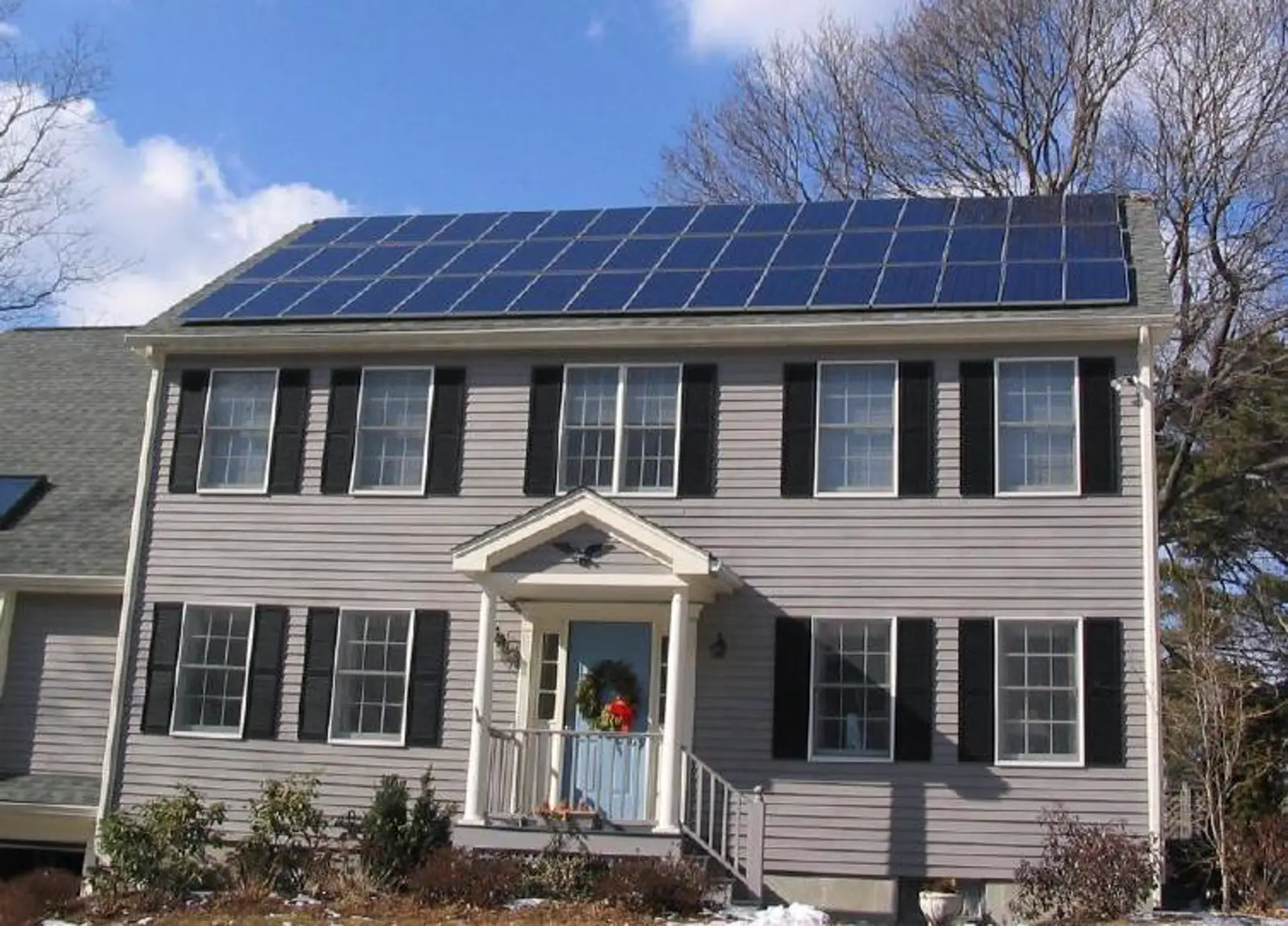
The Emporia Vue 3 and Siemens Inhab both support solar and net metering out of the box. The Eyedro Home supports solar too, but you’ll need two units to track household consumption and solar generation separately. IoTaWatt can monitor solar through its configurable channels with Emoncms.
What happened to the Sense home energy monitor?
Sense stopped selling its monitor on December 31, 2025, and pivoted to embedding its software in utility smart meters. Existing owners are still fully supported with app, firmware, and detection updates. If you’re buying today, choose one of the picks above instead of leftover Sense stock.
Do energy monitors work in apartments or rentals?
Generally no. Every whole-home monitor installs inside the breaker panel, which renters can’t modify — and many apartments share panels or metering. Renters get more from smart plugs with energy monitoring, which need no panel access and move with you.
How accurate are home energy monitors?
Good enough for decisions, not for billing disputes. The Emporia Vue 3 is rated ±2% and Eyedro’s sensors ±1% typical; IoTaWatt users typically report within about 1% of their utility meter. That’s plenty to find waste, size solar, or shift loads — but your utility’s revenue meter is the legal number.



6 Comments