
Do Smart Home Devices Actually Save Energy? (Real Numbers)
The box says “saves energy” in cheerful green letters. The app shows a little leaf. The commercial shows a family high-fiving while their power bill shrivels. And somewhere between the marketing department and your electricity meter, the truth gets a little blurry.
So let’s do this properly: no vibes, no leaf icons. Just the numbers — from the Department of Energy, ENERGY STAR, and the manufacturers’ own studies — on which smart home devices genuinely cut your energy bill and which ones are riding on the coattails of a much older invention (the LED).
The short version, before we get into the weeds: smart thermostats are the real deal, LED bulbs are the heavyweight champion of cheap savings, smart plugs are honest but small, and energy monitors only work if you actually look at them. Everything else is mostly noise.
Key Takeaways
- Smart thermostats are the single best energy-saving smart device. ENERGY STAR says the average certified model trims about 8% off heating and cooling bills (~$50/year); Google’s own data puts Nest at 12% on heating and 15% on cooling. Heating and cooling is up to half your home’s energy use, so this is where the money is.
- Smart lighting saves money because of the LED, not the “smart.” An ENERGY STAR LED uses 75–80% less energy than the incandescent it replaces and lasts about 25 times longer. The Department of Energy says swapping your five most-used fixtures saves about $75 a year. Dimming and scheduling add a little on top.
- Smart plugs are vampire hunters. Standby power eats 5–10% of the average home’s electricity ($100–$200 a year, per the DOE). A plug that truly kills power to an idle entertainment center earns its keep — but put one on a device with no real standby draw and you’ve bought a $15 night light.
- Energy monitors don’t save anything by themselves. They show you the numbers; you do the saving. Studies average around 3.8% savings from real-time feedback — unless you get per-device breakdowns, which push the average to about 12%.
- The fine print matters. The biggest savings claims (ecobee’s “up to 26%”) are measured against a house held at 72°F around the clock — a baseline nobody actually lives at. And every smart device you add draws a little power of its own to stay connected.
Disclosure: This article contains no affiliate links. It’s an honest numbers breakdown, not a sales pitch — including the parts where the marketing overreaches.
The short answer: follow the biggest load
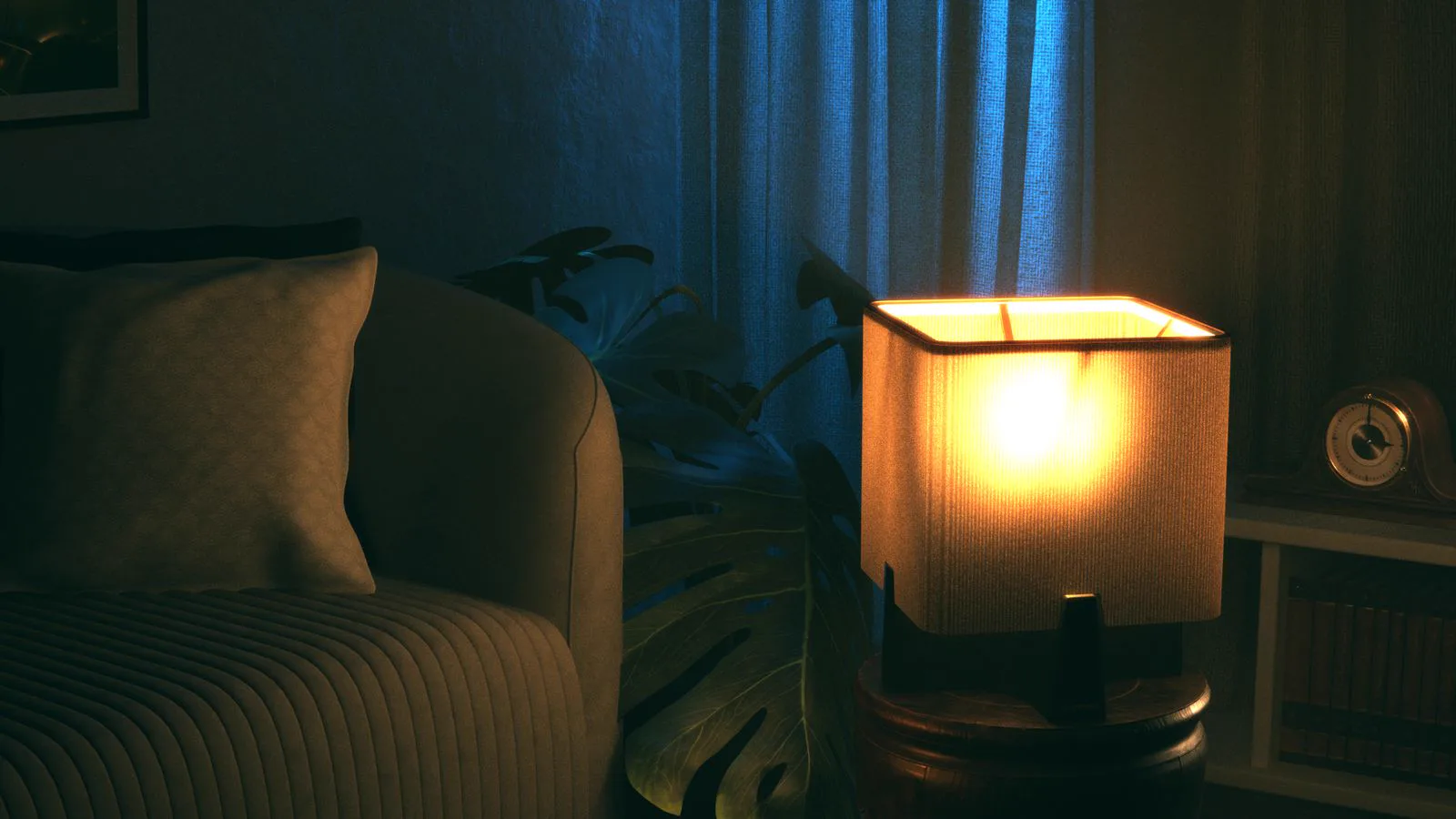
Here’s the mental model that makes the whole question easy: a smart device can only save energy where energy is actually being wasted. Heating and cooling can account for up to half of a home’s energy use. Standby electronics eat another 5–10%. Lighting, in the LED era, is a single-digit slice. So the device that attacks the biggest waste wins — which is why thermostats dominate this conversation and smart speakers don’t appear in it at all.
That framing also explains the most common disappointment in smart home energy saving: buying a $200 gadget to optimize a $30-a-year problem. The math doesn’t care how clever the gadget is. Let’s go device by device.
Smart thermostats: the one upgrade with a real track record
If you buy exactly one energy-saving smart device, make it this one. No other category has this much independent data behind it, and no other category attacks as large a share of your bill.
Start with the independent baseline. To earn the ENERGY STAR label, a smart thermostat can’t just claim savings in a lab — the EPA requires manufacturers to prove them with aggregated field data from real homes. The result: the average ENERGY STAR certified smart thermostat saves about 8% of heating and cooling bills, roughly $50 a year. That’s the conservative, third-party-verified number, and it’s already the best return in the smart home.
The manufacturers’ own studies land a bit higher, with an important asterisk we’ll get to. Google’s data on the Nest Learning Thermostat — from a 2015 study of utility bills before and after installation across 41 states, backed by two independent studies, and re-confirmed in a 2024 reassessment — shows 12% savings on heating and 15% on cooling, which Google estimates at $131 to $145 a year. Ecobee advertises up to 26% on heating and cooling costs.
Now the asterisk. Read the footnotes and you’ll find ecobee’s 26% is measured against a home held at a constant 72°F — the thermostat equivalent of racing a parked car. Google publishes a similar “up to 31%” figure using the same 72°F-all-day baseline, while noting it “may not represent the typical customer experience.” These aren’t lies, exactly. They’re the most flattering comparison available, and you should mentally discount them.
The mechanism underneath is gloriously unsexy, which is why it works. The Department of Energy’s longstanding guidance says turning your thermostat back 7 to 10 degrees for eight hours a day saves up to 10% a year on heating and cooling. A smart thermostat just does that automatically — learning your schedule, sensing when the house is empty, pre-heating before you get home — instead of relying on you to remember. The dirty secret of the industry is that programmable thermostats could always do this; research found most people simply never programmed them. The “smart” part is mostly a compliance device for human laziness. It works because we are the weak link.
One honest exception: if you’re already the disciplined type who sets back the thermostat every night and every workday, a smart thermostat won’t save you much. It automates discipline you already have. But you’re in the minority — that’s the whole business model.
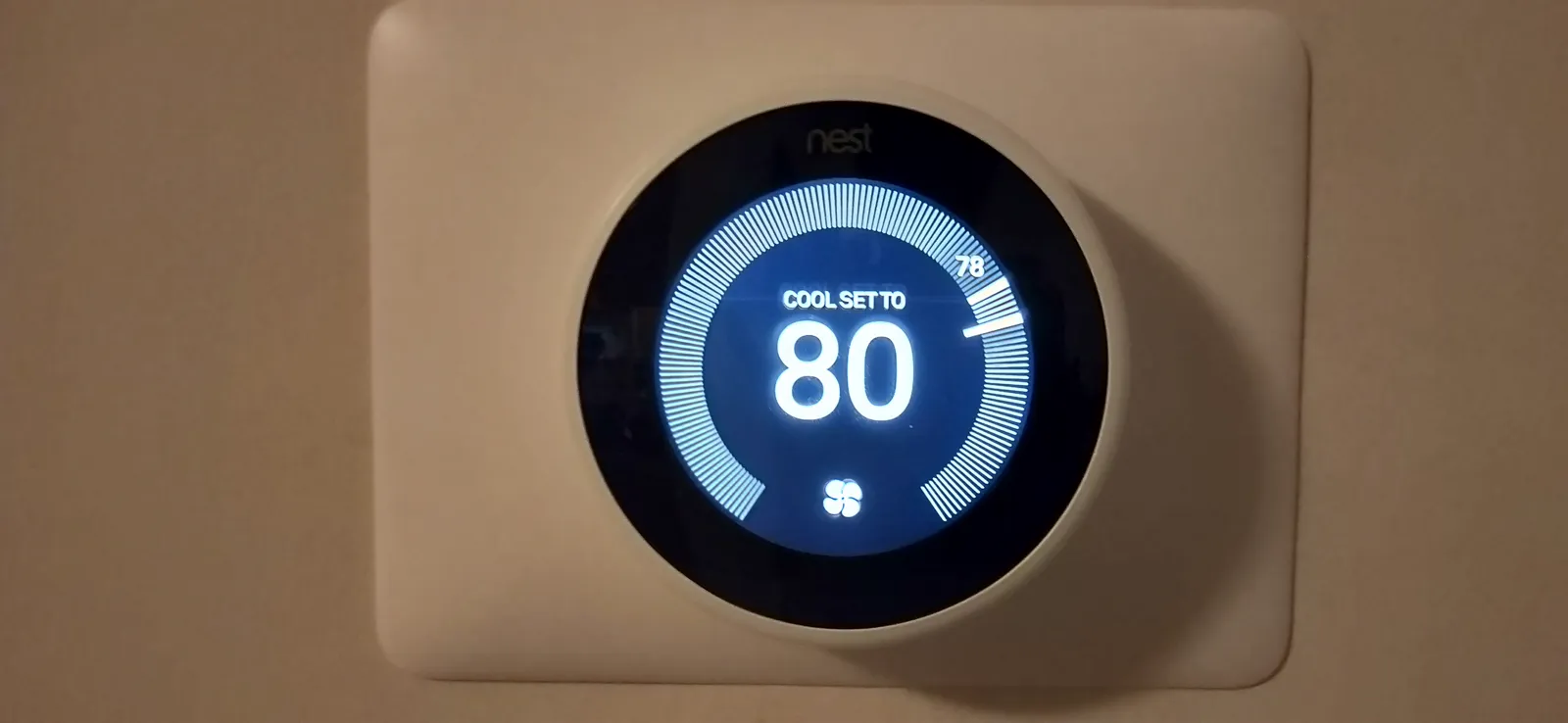
Practical notes: a smart thermostat typically pays for itself in one to three years at these savings rates, and many utilities offer rebates that cut the payback to months. If you’re choosing between the two big names, our ecobee vs. Nest no-C-wire breakdown walks through the wiring question that trips up most installations.
Smart lighting: the savings are the bulb, not the “smart”
Here’s the uncomfortable truth about smart bulbs: nearly all of their energy savings come from the three letters “LED,” which has nothing to do with the app, the colors, or the voice control. An ENERGY STAR qualified LED uses about 75–80% less energy than the incandescent it replaces and lasts roughly 25 times longer, per the Department of Energy. Swapping your five most-used fixtures or bulbs for ENERGY STAR models saves about $75 a year. That’s the dumbest, cheapest, highest-return move in this entire article, and it requires zero connectivity.
So what does the “smart” add? Two things, both real but modest. First, dimming: a bulb at 50% brightness uses roughly half the power, and smart bulbs make dimming effortless in fixtures without dimmer switches. Second, the off switch you can’t forget: schedules, motion sensing, and geofencing that kill the lights in empty rooms. In a house where someone always leaves the bathroom light on, that’s genuine money. In a house where everyone already flips switches, it’s rounding error.
Do the math on a single bulb and you’ll see why lighting is a volume game. A 60-watt incandescent swapped for a 9-watt LED, running three hours a day, saves about 56 kilowatt-hours a year — roughly ten dollars at today’s average residential electricity price of about 18 cents per kWh. Ten dollars per bulb, times every bulb in the house, with no behavior change required: that’s the pitch, and it’s a good one. The smart features are the cherry, not the sundae.
One more consideration for renters: you don’t need to rewire anything or ask a landlord. Screw-in smart LED bulbs are the lowest-friction energy upgrade that exists — our renter-friendly smart bulb guide covers the no-hub options specifically.
Smart plugs: vampire hunters with honest limits
Your TV is off. The little red light is on. The cable box is warm to the touch at 3 a.m. Welcome to standby power — the electricity your devices drink while pretending to be asleep.
The Department of Energy estimates standby power accounts for 5–10% of the average home’s electricity use, costing $100 to $200 a year. The Natural Resources Defense Council found something even more dramatic: across 70,000 California homes, always-on and idle devices were eating nearly 23% of household electricity — about $165 a year per household — with the average home harboring around 43 devices drawing power while idle. Game consoles waiting for a controller signal. TVs keeping their “instant on” feature warm. Cable boxes downloading guide data nobody asked for at midnight.
This is the entire business case for the smart plug. It doesn’t make anything more efficient — it just cuts power completely, on a schedule or a voice command, to the stuff that refuses to truly turn off. An entertainment center idling at 20 watts, killed for the 16 hours a day nobody’s watching, saves about 117 kilowatt-hours a year. At 18 cents per kWh, that’s roughly $21 a year from one plug on one power strip. Put plugs on the two or three worst vampire clusters in the house and the math gets respectable fast.
The honest limits: a smart plug only saves what the device was wasting. Stick one on a modern phone charger or an LED lamp with no standby draw and you’ve accomplished nothing except adding another always-on gadget to the house — because yes, the smart plug itself sips a little power to stay connected to your Wi-Fi. Target the big standby loads (entertainment centers, home offices, anything with a clock display you don’t need) and skip the rest. And the good news for setup: most smart plugs connect straight over Wi-Fi or Matter with no hub required — our guide to whether you need a hub explains which devices do and don’t.

Energy monitors: information, not magic
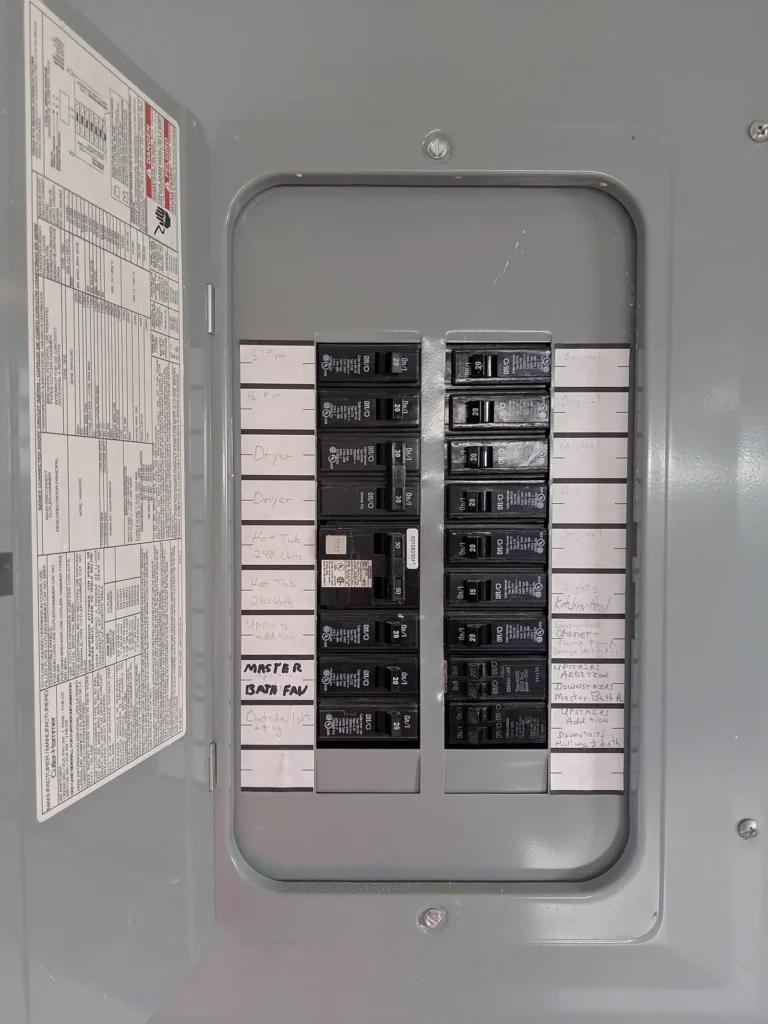
A whole-home energy monitor — the kind that clamps onto your breaker panel and shows live wattage on your phone — is the most misunderstood device in this article. It doesn’t save a single watt. It shows you where the watts are going, and then you do the saving. That’s a crucial distinction the marketing glosses over.
The research here is interesting and genuinely mixed. The American Council for an Energy-Efficient Economy reviewed the real-time feedback studies and found average savings of 3.8% — with results ranging from zero all the way to 19.5%, depending on the study design. Two pilots found no effect at all. But there’s a clear pattern in what works: monitors that break usage down per device (disaggregated feedback) averaged about 12% savings, versus the low single digits for a single whole-house number. A broader review of 61 feedback studies put the range at 4–12%.
Translation: a monitor that tells you “your house is using 2,400 watts right now” is a curiosity you’ll check for a week. A monitor that tells you “your pool pump is using 1,100 watts and your water heater just kicked on” is a tool that changes behavior. The savings come from the detective work — finding the space heater someone left on in the guest room, discovering the old dehumidifier running 24/7 — not from the hardware itself.
There’s also an engagement problem the studies keep tripping over: many households stop checking the display after the novelty wears off, and the savings fade with it. If you’re the kind of person who opens the app, hunts down the waste, and fixes it, a monitor pays for itself. If you’re buying it hoping the awareness will somehow happen to you, save your money.
For a closer look, see a whole-home energy monitor.
The scorecard: what each device is actually worth
| Device | Realistic annual savings | Typical cost | Payback | Verdict |
|---|---|---|---|---|
| Smart thermostat | ~8% of heating/cooling (~$50/yr ENERGY STAR avg; $131–145/yr per Nest’s data) | $130–250 | 1–3 years | The one to buy |
| LED bulbs (the bulb itself) | ~$75/yr for five most-used fixtures (DOE) | $2–10 per bulb | Months | Cheapest win there is |
| Smart bulb features | Small — dimming + auto-off on top of LED savings | $10–25 per bulb | Varies | Convenience first, savings second |
| Smart plugs | ~$20/yr per vampire cluster killed | $10–25 per plug | Under a year (on the right loads) | Honest but targeted |
| Energy monitor | ~4% avg; ~12% with per-device breakdown (ACEEE) | $100–200 | Depends entirely on you | Tool, not magic |
For sun-facing rooms, see automated shutters that close out afternoon sun.
Where the savings evaporate
Now the part the brochures leave out. Every one of these devices can fail to save you anything — and the ways they fail are depressingly predictable.
Your smart home has its own vampire problem
Here’s the irony nobody advertises: every connected device you add draws a little power around the clock to stay connected. A smart plug here, a sensor there, a hub in the closet, a voice assistant in every room — each one sips. A useful rule of thumb: every watt a device pulls 24/7 costs about $1.60 a year at today’s electricity prices. Ten always-on gadgets at a couple of watts each is $30+ a year of new baseline load you didn’t have before. The smart home can absolutely increase your electricity use if you automate indiscriminately. Kill the big standby loads; don’t build a museum of blinking LEDs.
Efficiency makes waste feel free
Economists call it the rebound effect; your teenager calls it leaving every light on because “they’re LEDs, it barely costs anything.” They’re technically right and practically wrong. A 9-watt bulb left on all night still uses energy, and a house full of “efficient” devices running 24/7 can out-consume a disciplined house full of dumb ones. The bulb being efficient doesn’t make the waste free — it just makes it cheaper to be careless.
The baseline game
Always read the footnote. The flashiest savings claims in the industry — “up to 26%,” “up to 31%” — are measured against a hypothetical home held at 72°F all day, every day. Nobody lives like that. The honest numbers (ENERGY STAR’s 8%, Nest’s 12%/15% from real bills) are smaller and far more trustworthy. When a manufacturer won’t tell you the baseline, assume the baseline is doing the heavy lifting.
Automation can’t fix a leaky house
A smart thermostat in a drafty house with single-pane windows is a very clever device managing a fundamentally wasteful situation. Sealing air leaks, adding insulation, and servicing the HVAC system itself routinely beat any gadget on return per dollar. The thermostat optimizes the system you have; it doesn’t fix the system you have.
The novelty wears off
Energy monitors, usage dashboards, monthly reports — they all work brilliantly for the first month, when you’re checking the app daily and hunting waste like a detective. Then life happens, the app goes unopened, and the savings decay. The studies are blunt about this: feedback devices only save energy when people keep consulting them. Buy the monitor if you’ll be the person who keeps consulting it.
FAQ
Do smart home devices actually save energy?
Some do, measurably. Smart thermostats are the standout — ENERGY STAR’s field data shows about 8% off heating and cooling bills. LED bulbs (smart or not) cut lighting energy by 75–80% versus incandescents. Smart plugs save real money only on devices with significant standby draw. Energy monitors save nothing by themselves; they enable savings of roughly 4–12% if you act on what they show.
How much does a smart thermostat save per year?
ENERGY STAR says the average certified smart thermostat saves about $50 a year on heating and cooling. Google’s utility-bill studies put Nest savings at $131–$145 a year (12% on heating, 15% on cooling). Ecobee claims up to 26%, but that’s against a constant 72°F baseline most homes don’t match. Expect the ENERGY STAR number as your floor.
Do smart plugs save electricity?
Yes — but only where there’s waste to kill. Standby power is 5–10% of home electricity use per the DOE, and a smart plug that truly cuts power to an idle entertainment center or home office can save around $20 a year per cluster. On devices with negligible standby draw, a smart plug saves nothing and adds its own small always-on load.
Are smart bulbs worth it for saving energy?
The LED inside is absolutely worth it — 75–80% less energy than incandescent, and the DOE says swapping five heavily used fixtures saves about $75 a year. The “smart” features (dimming, schedules, auto-off) add modest extra savings on top. If your goal is purely the electric bill, cheap dumb LEDs beat expensive smart bulbs; buy smart for the convenience.
Can a smart home increase your electric bill?
It can. Every connected device draws standby power to stay on the network — roughly $1.60 a year per always-on watt at current prices. A house loaded with sensors, plugs, cameras, and voice assistants in every room adds a new baseline load. The fix is targeting: automate the big wastes (HVAC, standby clusters, forgotten lights) and skip gadget sprawl.
What is the fastest payback smart home energy upgrade?
LED bulbs — payback in months, sometimes weeks. Next is a smart plug on a genuine vampire load (under a year), then a smart thermostat (one to three years, often less with utility rebates). Energy monitors have no fixed payback at all; it depends entirely on whether you act on the data.
Sources
- ENERGY STAR: Smart Thermostats FAQs — ~8% of heating/cooling bills (~$50/year) for certified models, based on aggregated field data
- Google Store: Nest Thermostat Savings — 12% heating / 15% cooling savings, $131–$145/year estimate, confirmed in 2024 reassessment
- ecobee: Smart Thermostat Enhanced — “save up to 26% on heating and cooling costs” (*compared to a hold of 72°F/22°C)
- Money Talks News (citing DOE, NRDC, EIA): Energy Vampires Cost You up to $200 a Year — DOE 5–10% standby figure and $100–$200/year; NRDC 23% / ~$165/year in 70,000 California homes; EIA 18.31¢/kWh average residential price
- San Jose Clean Energy (citing U.S. DOE): Stop Energy Vampires from Draining Your Wallet — vampire energy 5–10% of average household electricity use
- U.S. Department of Energy: How Energy-Efficient Light Bulbs Compare with Traditional Incandescents — LEDs use ~75% less energy, last ~25x longer; replacing five most-used fixtures saves $75/year (archived DOE page)
- ACEEE: The Economy-Wide Impact of Feedback-Induced Behaviors — aggregate real-time feedback averages 3.8% savings; disaggregated real-time plus averages 12%; daily/weekly feedback averages 8.4%
- Environment+Energy Leader (on ACEEE research): ACEEE Details Smart Grid Savings Up To 19.5% — real-time feedback studies range 0–19.5%, average 3.8%; some pilots found no effect
- The Cool Down (citing DOE via Men’s Journal): Smart thermostats can cut heating and cooling bills by up to 10% — DOE guidance: 7–10°F setback for 8 hours/day saves up to 10% annually
Bottom line: the smart home can absolutely shrink your energy bill — but the winners are boring. A thermostat that turns itself down, bulbs that sip instead of gulp, and plugs that murder standby loads. Buy those, skip the leaf icons, and keep the receipt for everything else.
3 Comments