Alexa vs Google Home vs HomeKit: Which Ecosystem Should You Pick in 2026?
Search “Alexa vs Google Home vs HomeKit” and you’ll get answers from 2022. They talk about the Echo Dot 3rd gen. They recommend the Nest Mini like it’s still Google’s flagship. They treat HomeKit as a walled garden that barely talks to anything else. Every one of those answers describes a smart home that no longer exists.
Since those guides were written, Matter went from a press release to the thing actually running people’s homes — and then to version 1.6. Apple started retiring the HomeKit name in favor of Apple Home. Amazon rebuilt its entire Echo lineup around a new AI assistant. Google killed off the Nest Mini and Nest Audio and replaced its assistant with Gemini. The question is the same as it was four years ago, but none of the old answers survive contact with 2026.
Here’s the current answer: what each ecosystem actually is now, where each one wins, where each one quietly disappoints — and which one you should pick based on the phones in your pockets, not some spec sheet.
Key Takeaways
- There is no overall winner — but there is a right answer for your household. The best ecosystem is the one that matches the phones you already own and the way you actually use voice control.
- Matter changed the stakes, not the answer. A Matter bulb now works in all three ecosystems, so you’re choosing a voice assistant and an app — not a device prison. But the ecosystems still implement Matter at very different speeds.
- 2026 reshuffled every lineup. Amazon’s Echo family is all-new (Echo Dot Max, Echo Studio, Echo Show 8/11) with Alexa+. Google replaced Nest Audio/Mini with one Gemini-powered Home Speaker. Apple’s HomePod lineup is unchanged — but the HomeKit name is being retired for Apple Home.
- The short version: Apple household → Apple Home. Android household → Google Home. Mixed devices, tight budget, or automation nerd → Alexa. Privacy-first → Apple Home, no contest.
Disclosure: This article contains no affiliate links — it’s a straight comparison, not a sales pitch. If that changes, we’ll say so.
Why every old comparison is wrong now
Three things broke the old answers. First, Matter 1.6 shipped in June 2026 with NFC tap-to-set-up commissioning, Joint Fabric (one setup shared across ecosystems instead of enrolling every device separately), and smarter thermostat coordination. Matter 1.5, back in November 2025, had already added cameras and energy management to the standard. The practical effect: the device-compatibility argument that used to dominate these comparisons has mostly evaporated. Buy a Matter-certified bulb and it works with Alexa, Google Home, and Apple Home alike.
Second, Apple is retiring the HomeKit name. Apple ended support for the original HomeKit architecture in February 2026 and has been replacing “HomeKit” branding with Apple Home across its software. Our Matter vs HomeKit explainer has the full timeline — the short version is that “HomeKit” is now a legacy term, and the platform is Apple Home. Any guide still telling you to “build a HomeKit home” is talking about a brand Apple itself is moving past.
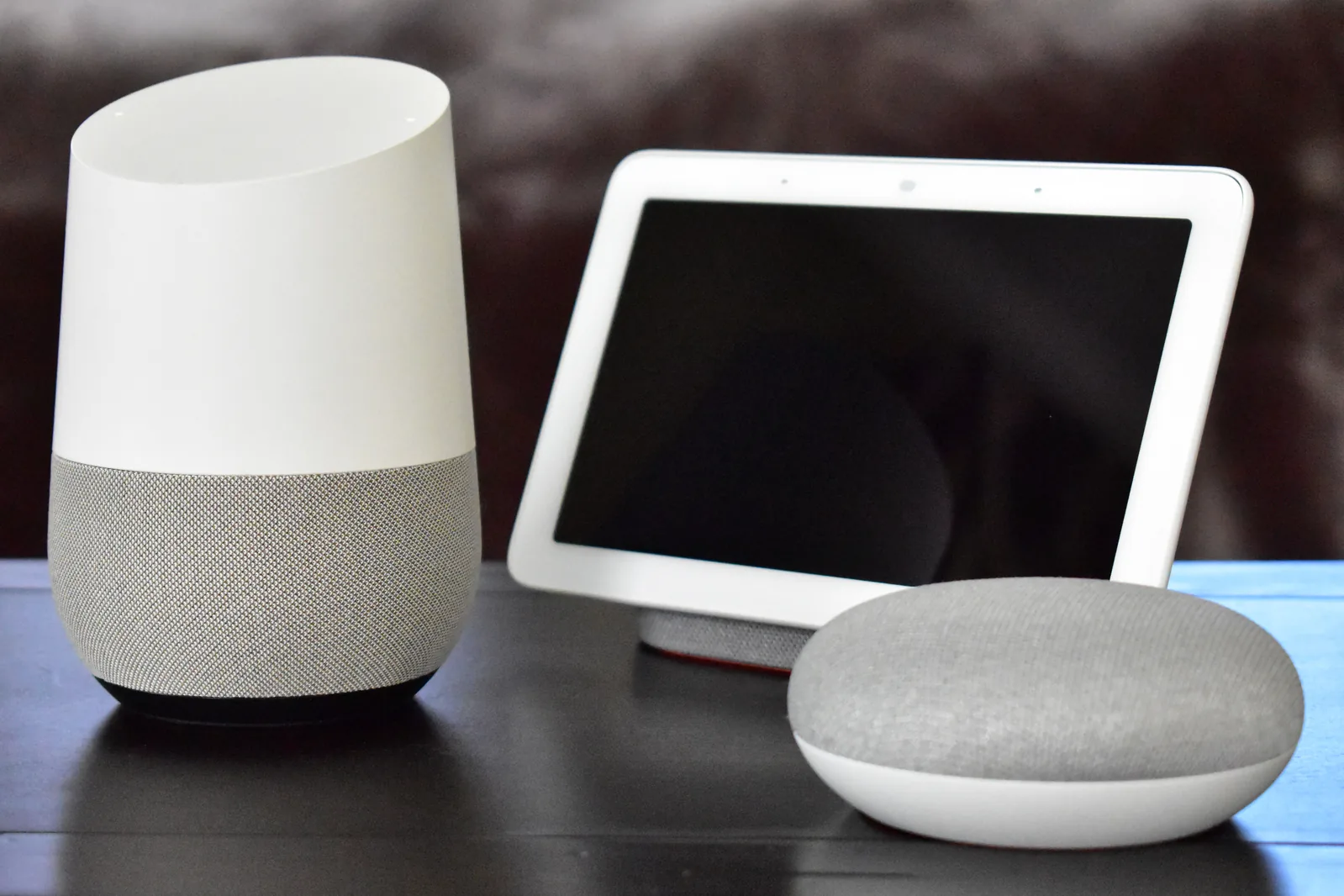
Third, the hardware lineups turned over completely. Amazon’s 2025 devices event replaced the aging Echo range with the Echo Dot Max, a redesigned Echo Studio, and the Echo Show 8 and 11 — all built for Alexa+, Amazon’s more conversational AI assistant. Google went the other direction: it ended production of the Nest Mini and Nest Audio in mid-2026 and consolidated around a single new Google Home Speaker designed for Gemini, which is replacing Google Assistant across the lineup. Apple, characteristically, changed almost nothing about the HomePod hardware — the 2nd-gen HomePod and HomePod mini carry on — while doing its real work in software, with OS 26 bringing features like Adaptive Temperature to Apple Home.
So the 2026 question isn’t “which ecosystem has the most compatible devices” anymore. It’s: which voice assistant do you want to talk to, which app do you want to live in, and how much do you care about privacy? Everything else is negotiable.
Alexa in 2026: the automation workhorse
Alexa remains the ecosystem for people who want the most smart home for the least money and fuss. Amazon’s refreshed lineup is the broadest of the three: the Echo Dot Max ($99) with nearly triple the bass of the old Dot, a redesigned Echo Studio ($220) with Dolby Atmos spatial audio, and the Echo Show 8 and 11 with 13-megapixel cameras for video calls and visual dashboards. The Dot Max doubles as a genuine smart-home hub out of the box — Matter, Zigbee, and Thread radios included.
The bigger story is Alexa+, Amazon’s AI-upgraded assistant: more conversational, better at follow-up questions, faster on-device responses via Amazon’s AZ3 chips. One honest caveat: Amazon has begun charging non-Prime members a subscription for Alexa+, so the “free forever” era of the full Alexa experience is over for non-Prime households. And while Alexa supports the Matter 1.4 SDK, independent tracking in 2026 showed it exposing only a subset of newer Matter features — Amazon adopts the standard’s headline features while lagging on the details.
Where Alexa still wins outright: device compatibility breadth (the “works with Alexa” badge remains the most common in the industry), the deepest routine/automation builder of the three, and the lowest cost of entry. Where it loses: it’s the weakest on privacy — a cloud-first assistant from an advertising company — and the Alexa+ subscription change muddies the value story.
Google Home in 2026: the assistant grew a brain
Google made the boldest move of the three: it killed its two best-selling speakers. With Nest Mini and Nest Audio production ended in June 2026, the lineup consolidated around the new Google Home Speaker ($99) — 360-degree audio, a 58mm driver, and designed from the ground up for Gemini for Home, which is replacing Google Assistant across Nest devices. The Nest Hub (2nd gen) survives as the $99.99 smart display option.
Gemini is the whole bet. Instead of the old command-and-response Assistant, you get something that holds a conversation, handles follow-ups, and actually researches answers. Early coverage suggests it’s the biggest leap in voice-assistant quality in years — which matters, because Google Assistant was already the best of the three at general knowledge questions. The catch: many of the new AI features require a Google Home Premium subscription, which is replacing Nest Aware. Google’s smart home is getting smarter and slightly more expensive at the same time.
On Matter, Google’s record is mixed. It was early to Matter controllers but slow to surface newer device types in the Home app — at one point still missing the generic switch type from Matter 1.0 while competitors moved on. For Android households the integration is unmatched: your phone, your TV streamer, your speaker, and your automations all speak the same language. For iPhone households, it’s fine but never feels native.
Apple Home in 2026: the quiet premium pick
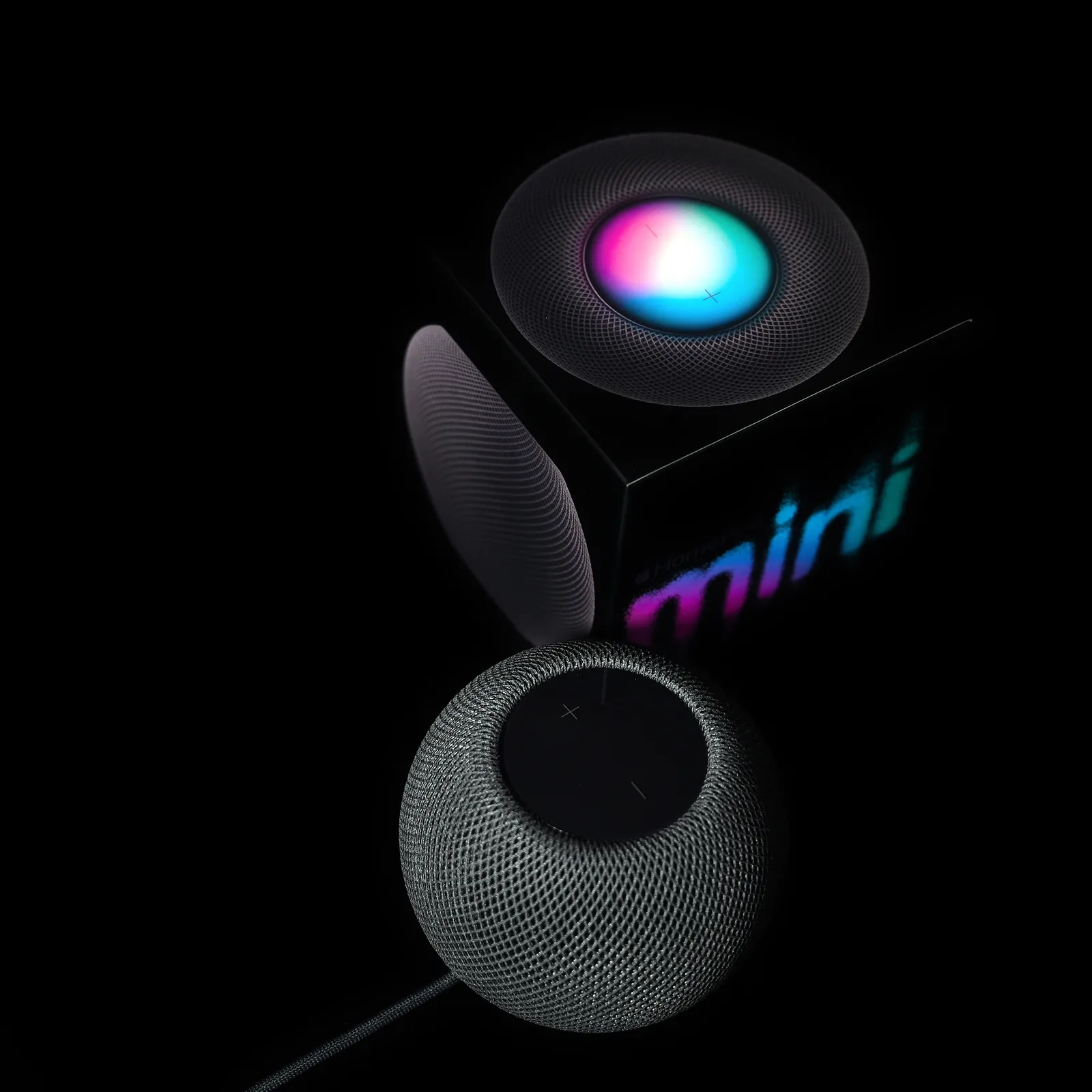
Apple changed the least and, depending on your priorities, matters the most. The HomePod (2nd gen) at $299 remains the best-sounding smart speaker you can buy — spatial audio with Dolby Atmos that embarrasses everything else at the price — and the HomePod mini at $99 remains the cheapest way into the ecosystem and a Thread border router to boot. Rumors persist of a dedicated Apple smart-home hub with a 6-inch display (Bloomberg’s Mark Gurman pointed to an October 2026 launch), but as of now it’s still a rumor, not a product.
Apple’s real 2026 moves were software. With the HomeKit-to-Apple-Home rebrand came OS 26 features like Adaptive Temperature — the system learns your routine and pre-conditions the house instead of just reacting — and Clean Energy Guidance, which nudges heating and cooling toward cleaner grid times. Siri is also in the middle of its long-promised AI upgrade, which Apple needs: Siri remains the weakest of the three assistants for general questions, and everyone knows it.
Where Apple Home wins: privacy (on-device processing, no advertising business), audio quality, and the most polished app experience. Where it loses: the highest cost of entry, the smallest third-party device selection outside Matter, and an assistant that’s still catching up. One more honest note: Apple has been the slowest of the three to adopt new Matter specification versions — most of Matter 1.4 was still missing from Apple Home in early 2026, per independent trackers. If you buy bleeding-edge Matter gear on day one, expect Apple’s support to arrive months after Samsung’s or Amazon’s.
Head to head: the 2026 comparison
| Alexa (Amazon) | Google Home | Apple Home | |
|---|---|---|---|
| Voice assistant | Alexa+ (conversational AI; subscription for non-Prime) | Gemini for Home (replacing Assistant; best at knowledge) | Siri (AI upgrade underway; weakest at Q&A) |
| 2026 flagship speaker | Echo Studio ($220) | Google Home Speaker ($99) | HomePod 2nd gen ($299) |
| Entry price | ~$99 (Echo Dot Max) | ~$99 (Google Home Speaker) | ~$99 (HomePod mini) |
| Device compatibility | Widest (“works with Alexa” most common) | Very good, strong Matter controller | Good via Matter; smallest native selection |
| Automations | Deepest routine builder | Strong, improving with Gemini | Polished but less flexible |
| Privacy | Cloud-first, ad company | Cloud-first, ad company | On-device emphasis, no ads business |
| Music quality | Good (Studio: very good) | Good | Excellent (best in class) |
| Biggest strength | Choice and value | Smartest assistant | Privacy and polish |
| Biggest weakness | Privacy; Alexa+ paywall creep | Nest Aware → paid Premium tier | Price; slowest Matter adoption |
Matter and Thread support in 2026
| Alexa | Google Home | Apple Home | |
|---|---|---|---|
| Matter controller | Yes (Echo devices) | Yes (Home/Nest devices) | Yes (HomePod, Apple TV) |
| Thread border router built in | Yes (Echo Dot Max and recent Echo models) | Yes (Nest Hub, Nest Wifi Pro, Home Speaker) | Yes (HomePod mini, HomePod 2nd gen, Apple TV 4K) |
| Newest Matter spec pace | Fast on headlines, partial on details | Uneven — slow on some device types | Slowest of the three |
| Multi-ecosystem sharing | Via Matter multi-admin / Joint Fabric (1.6) | Via Matter multi-admin / Joint Fabric (1.6) | Via Matter multi-admin / Joint Fabric (1.6) |
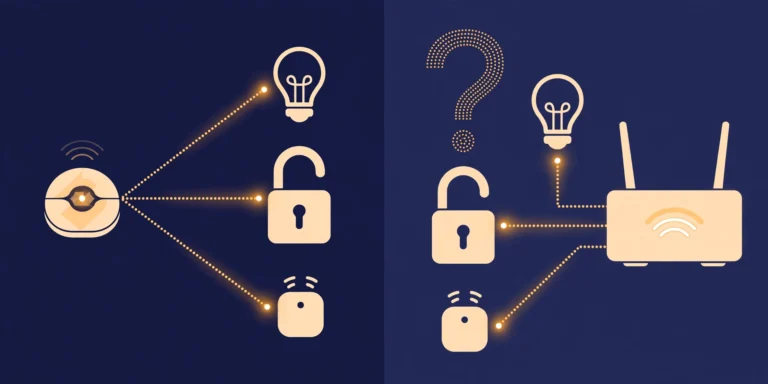
A note on that last row: Matter 1.6’s Joint Fabric is the beginning of the end for the “pick one ecosystem” dilemma. It lets multiple authorized controllers co-administer one shared Matter network, so a device you add once appears in every participating ecosystem. In a house with both iPhones and Android phones, that’s the feature that finally makes the whole debate optional. The catch is the usual one: the spec ships first, and the ecosystems adopt it on their own schedules.
If the Thread and hub terminology is getting dense, our guide to whether you actually need a hub for Matter devices untangles it — and our Matter explainer covers what the standard itself does and doesn’t do. For the broader question of whether you need a hub in the first place, see our 2026 smart home hub guide.

Which should you pick? By household, not by spec sheet
Everyone’s on iPhone → Apple Home
This is the easiest call on the list. If your household runs on iPhones, Apple TV, and maybe a Mac, Apple Home is the only ecosystem that feels truly native — Siri from the lock screen, Home app widgets, automations that run locally on your home hub. Start with a HomePod mini in the main room (it’s also your Thread border router), buy Matter-certified accessories so you’re never locked in, and stop thinking about it. The premium is real but so is the polish.
Everyone’s on Android → Google Home
Gemini is the tiebreaker. No other assistant in 2026 handles follow-up questions and general knowledge like Google’s, and the new Home Speaker was built specifically as its vessel. Your phone, speaker, and TV already share an account and a brain — lean into it. Budget one Google Home Speaker per main room and use the Nest Hub (2nd gen) where you want a screen. Just go in eyes open about Google Home Premium: the subscription-ification of the best features is the direction of travel.
Mixed iPhone and Android → Alexa (or Matter-first with any app)
Mixed households are where Alexa earns its keep: nobody’s phone gets special treatment, the device selection is the widest, and an Echo Dot Max in each main room costs less than a single HomePod. But here’s the 2026 twist — with Matter 1.6’s Joint Fabric, the honest answer for a mixed house might be “buy Matter devices and let each person use their preferred app.” An iPhone user gets Apple Home, an Android user gets Google Home, and the same bulb obeys both. That’s the future the standard was built for, finally arriving.
Renting → Alexa
Renters need maximum compatibility with zero wiring and minimum spend — which is Alexa’s home turf. A Dot Max plus Matter-over-Wi-Fi bulbs you can take with you when you move is the whole starter kit. Our renter-friendly smart bulb guide is built exactly for this setup, and if you’re torn between bulbs and switches, our smart bulb vs smart switch breakdown does the cost math.
Privacy is the top priority → Apple Home
No contest. Apple is the only one of the three without an advertising business, and it’s the only one pushing serious on-device processing for Siri and automations. Amazon and Google both run cloud-first assistants inside ad companies — their privacy policies are fine on paper, but the business model is the business model. If a camera watches your front door, think about whose cloud the footage touches: our no-subscription security guide is worth a read before you commit cameras to any ecosystem.
Tightest budget → Alexa
At every tier, Amazon undercuts the others on hardware, and the used/refurbished Echo market is enormous. A capable Alexa starter home — two Dot Max speakers and a handful of Matter bulbs — lands well under what a single HomePod costs. The asterisk is Alexa+ for non-Prime members: factor the subscription into your math if nobody in the house has Prime.
The honest caveat nobody puts in comparison tables
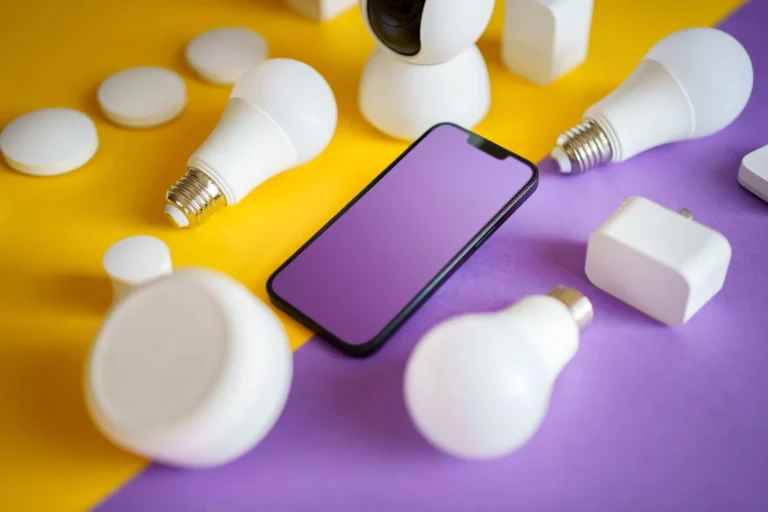
Here is what three years of Matter has actually produced: the same certified device behaves differently in each ecosystem. Independent tracking through 2026 kept finding the same pattern — Samsung’s SmartThings shipped Matter camera support within weeks of Matter 1.5, while Google Home still hadn’t surfaced device types from Matter 1.0 in its app, Apple lagged a full spec version behind, and Alexa supported new SDKs in name while exposing subsets of their features. The specification is real and the engineering is mostly good. But “works with Matter” on the box and “works well in your app” are still two different claims, and they will be for a while.
What that means for your decision: pick the ecosystem whose app and assistant you like, because that’s the part you’ll actually touch every day. Then buy Matter-certified devices so the hardware outlives whatever the platforms do next. The ecosystem wars aren’t over — they’ve just moved up the stack, from the devices to the software. That’s progress, of a sort.
The best Matter devices for each ecosystem
FAQ
Which is better, Alexa or Google Home?
For smart-home breadth and value, Alexa — wider device support, deeper automations, cheaper hardware. For assistant intelligence, Google Home — Gemini handles follow-ups and general knowledge better than any rival in 2026. Android households should lean Google; mixed or budget households should lean Alexa.
Is Apple Home worth it in 2026?
For Apple households, yes — nothing else integrates as tightly with iPhone, and it’s the privacy leader by a distance. For mixed or Android households, it’s a harder sell: higher prices, fewer native devices, and the slowest Matter adoption of the three platforms. Buy Matter accessories either way so you’re not locked in.
Do I still need to pick one ecosystem now that Matter exists?
Less than ever, but yes — one primary. Matter lets a certified device work across Alexa, Google Home, and Apple Home, and Matter 1.6’s Joint Fabric makes multi-ecosystem sharing genuinely practical. Still, automations, voice quality, and the app experience differ per platform, so choose the one you’ll live in and let Matter handle the hardware.
Which smart speaker should I buy in 2026?
Apple household: HomePod mini ($99) to start. Android household: the new Google Home Speaker ($99) built for Gemini. Mixed or budget: Echo Dot Max ($99) — Matter, Zigbee, and Thread radios make it a hub as well as a speaker. Music-first in any Apple home: the full HomePod ($299) is still the best-sounding option.
Which ecosystem is best for privacy?
Apple Home, clearly. Apple has no advertising business and pushes on-device processing for Siri requests and automations. Amazon and Google both run capable assistants, but they’re cloud-first systems inside ad companies — fine on paper, but the incentives point the other way.
Can I mix Alexa, Google, and Apple devices in one home?
Yes — that’s exactly what Matter is for. A Matter-certified bulb, lock, or sensor can appear in Apple Home, Google Home, and Alexa simultaneously. Matter 1.6’s Joint Fabric goes further, letting the ecosystems share one network instead of each maintaining its own. Native (non-Matter) devices are the exception — those still lock you to their platform.
Sources
- MacRumors (June 17, 2026): Matter 1.6 Announced With NFC Setup, Cross-Ecosystem Device Sharing, and Smarter Thermostats — Matter 1.6 features and release date
- AppleInsider (June 17, 2026): Setup will be even easier via NFC thanks to Matter 1.6 — NFC commissioning and Joint Fabric details
- Wikipedia: Matter (standard) — specification version history (1.5, 1.5.1, 1.6) and release dates
- Amazon Press Center (May 27, 2026): Amazon launches Echo Dot Max and Echo Studio — 2026 Echo lineup, AZ3 chips, Omnisense
- Tom’s Guide (2025 devices event): Amazon unveils new Echo Dot Max and Studio speakers — Echo Dot Max $99 pricing, Alexa+ support
- Android Central: Amazon’s new Echo Dot Max and Studio — Dot Max Matter/Zigbee/Thread radios, Studio $220 pricing
- Pickr (2026): Google returns to speakers, adds Gemini to Home — Google Home Speaker, Gemini replacing Assistant
- ZDNet (2025): Google’s upcoming smart home speaker — $99 pricing, Google Home Premium replacing Nest Aware, new Nest Cam/Doorbell
- XtendedView (September 2026): Amazon Echo vs Google Nest Statistics 2026 — Nest Mini/Audio production ended June 2026, Home Speaker specs, Echo Show cameras
- TechSpot (October 1, 2026): Apple’s long-rumored smart home hub — J490 6-inch display hub rumor via Bloomberg’s Gurman
- Medium (2026): Matter at Three — uneven ecosystem adoption of Matter versions across platforms
We’ll update this as the ecosystems move — Apple, Google, and Amazon all have a habit of rewriting the rules mid-cycle.



8 Comments