Automated Shutters for Smart Homes (2026): The Complete Guide
Automated Shutters for Smart Homes (2026): The Complete Guide
Disclosure: this guide contains no affiliate links — we earn no commission if you buy. We’d rather you know exactly where we stand.
Automated shutters are window coverings with a motor and a brain: they tilt or raise on schedules, respond to voice commands, and can track the sun to cut glare and heat automatically. For most homes, a $70 retrofit kit like the SwitchBot Blind Tilt is the smartest first step; custom motorized shades make sense when you’re renovating or want a polished whole-home system. They’re worth it if you value privacy, light control, and lower cooling bills — less so if your windows are already behind curtains you rarely touch.
First, a terminology check: shutters, blinds or shades?
In the US, “shutters” usually means plantation shutters — solid, hinged panels with louvers. In the UK, “shutters” is used more loosely for internal window coverings. The smart products actually on sale in 2026 mostly automate three other things: blinds (horizontal slats you tilt), shades (fabric that rolls or stacks up and down), and curtains (on a motorized rod or track).
For the rest of this guide, “automated shutters” means what most people searching the term actually want: motorized window coverings controlled by app, voice, or schedule.
Are automated shutters worth it?
Short answer: yes, with conditions. Researchers at the US Department of Energy’s Oak Ridge National Laboratory found that cellular shades achieved up to 24% heating energy savings over generic venetian blinds — and projected up to 3 million tons of CO2 avoided nationally at just 20% adoption. As ORNL’s Mahabir Bhandari put it: “The room with the cellular shades achieved up to 24% heating energy savings.”
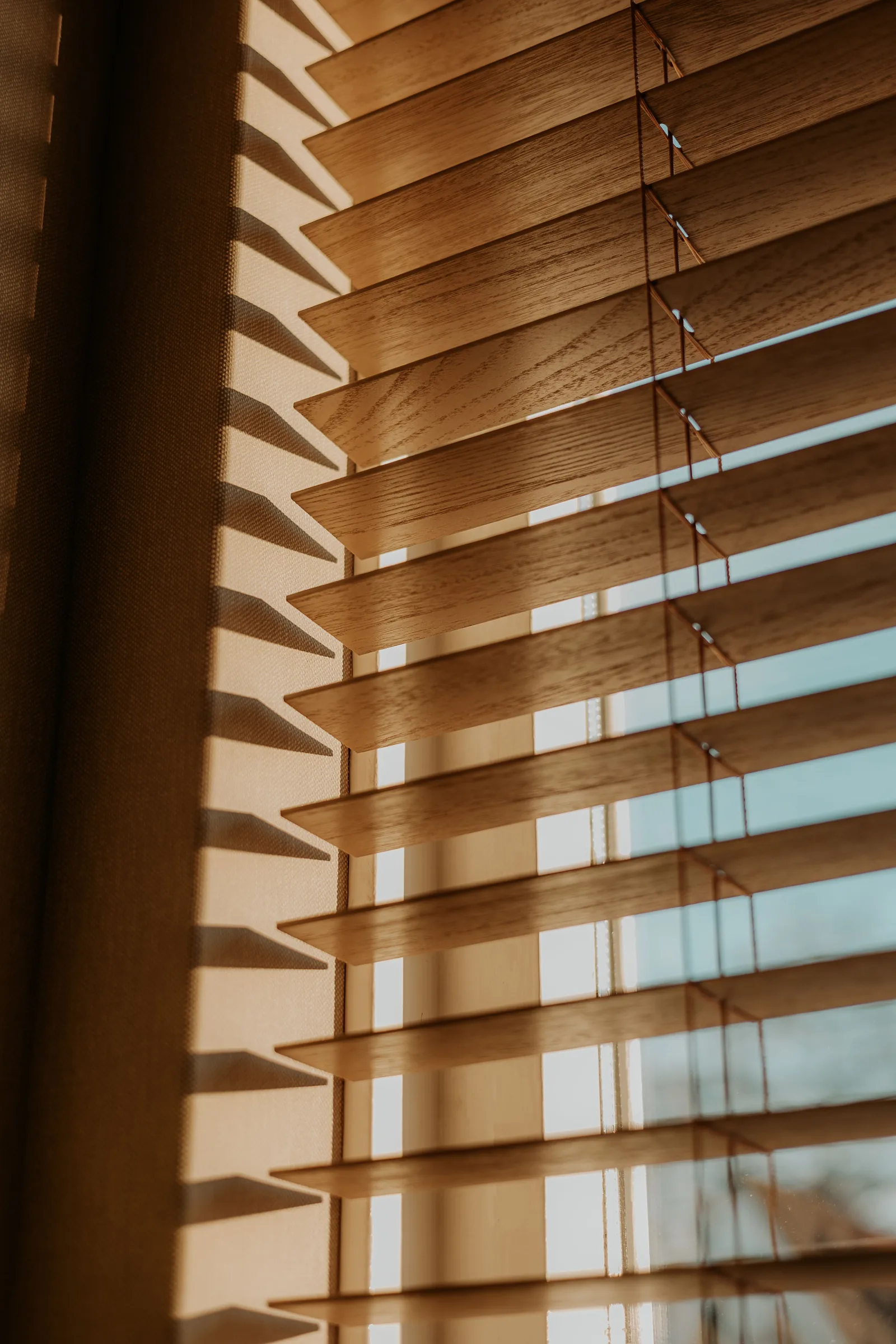
Windows are the weak point: only about 10% of a typical home’s surface area, yet 30–40% of winter heat loss goes through them, per the US Department of Energy. Automation turns that liability into an asset — shades that close themselves at the hottest part of the day and open on winter mornings do what manual blinds never reliably do.
The privacy and convenience case is quieter but real: a lived-in look when you’re away, a gentle wake-up as bedroom slats tilt open at sunrise, no more cords behind the sofa. The market agrees — Mordor Intelligence values automated blinds and shades at $2.73 billion in 2026, growing 8.31% a year, and 61% of 2025 motorized shipments went into retrofits of existing homes.
The honest caveats: motorized shades cost 2.4–3.1x more than manual equivalents, and battery shades need recharging a couple of times a year. If your windows face north and you rarely touch the blinds, the payback is thin. If they face west and bake your living room every July, it’s one of the best-value comfort upgrades in the smart home.
The three ways to automate your window coverings
Every product on the market fits one of three camps. Pick the camp before you pick the product.
1. Retrofit kits: automate the blinds you already own
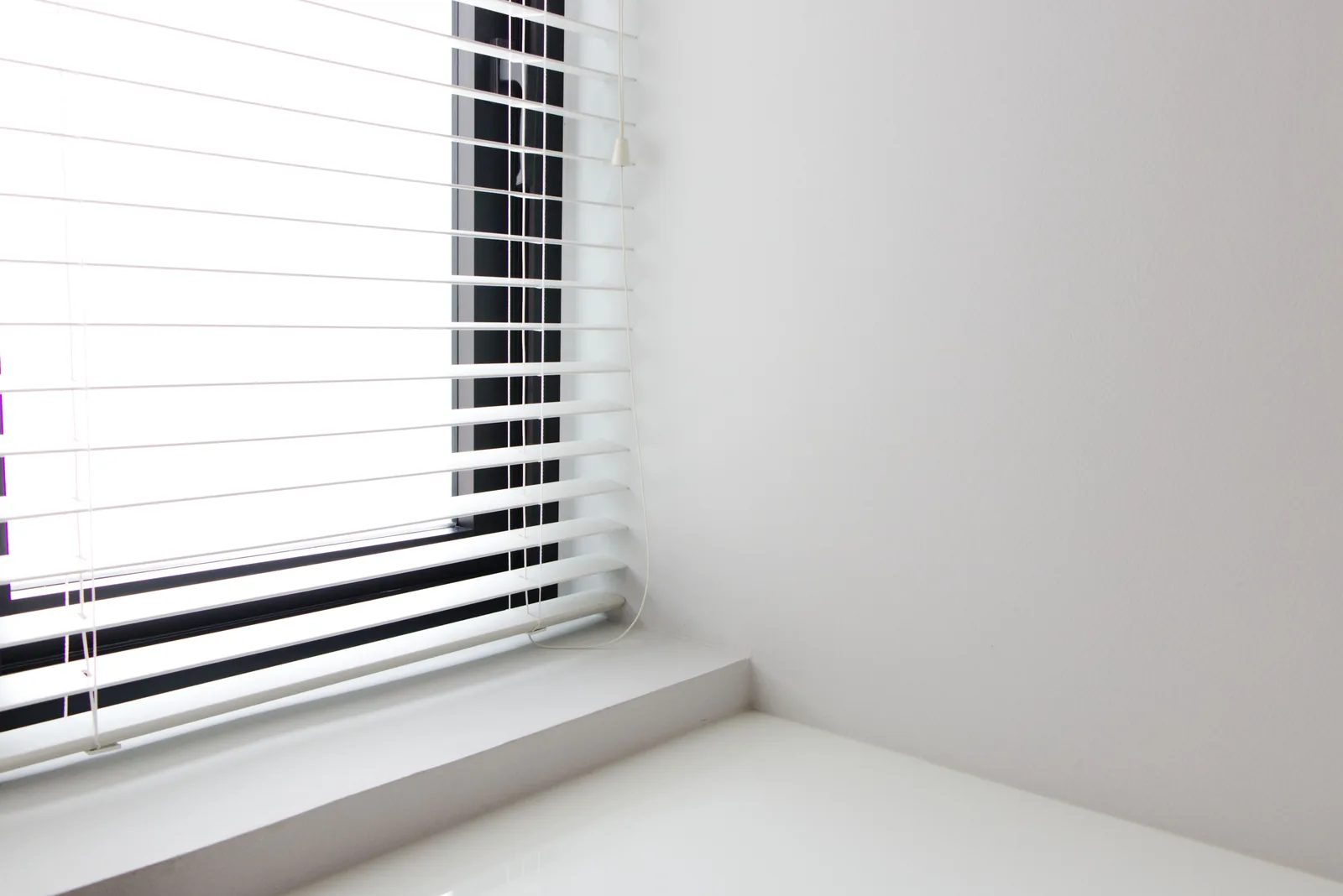
This is the cheapest, fastest route — and the one most renters should take. A small motor clips onto your existing blind and turns the tilt wand or pulls the bead chain.
SwitchBot Blind Tilt ($69.99) is the standout. It mounts with adhesive to the headrail of horizontal blinds, grips the tilt wand, and rotates it on command — install takes about five minutes with the included alignment card. TechRadar’s review called it “effective, easy to use, and very affordable,” with honest trade-offs: some motor noise, wand-only blinds, and it tilts slats rather than raising the blind. It runs on a rechargeable battery with USB-C (SwitchBot estimated ~10 months per charge at launch), and the bundle includes a small solar panel that sticks to the window and trickle-charges in decent light. For app and voice control you add a hub — SwitchBot’s 3-pack with the Matter-enabled Hub Mini sold for $135.99 in its fall-2026 sale, bridging the Blind Tilt into Matter, Alexa, and Google Home.
Aqara Roller Shade Driver E1 ($50–$65) clamps onto a bead chain or cord loop and raises or lowers the shade. It speaks Zigbee, so it needs an Aqara hub or a Zigbee2MQTT setup — the cheapest way to motorize an existing roller blind without replacing it.
Eve MotionBlinds Matter Upgrade Kit (~$199.95) is the premium retrofit: a motor that slides into the tube of an existing roller blind, speaks Matter 1.3 over Thread natively — no bridge, no proprietary hub — recharges over USB-C, and pairs directly to a Thread border router you may already own. All-in cost per window usually lands at $300–$400, but it’s the most protocol-correct option in the category.
2. Purpose-built motorized shades
These replace the whole blind with one designed around a motor: cleaner look, quieter operation, proper warranties. You buy the shade and the motor as one unit.
SmartWings owns the budget end at roughly $150 per window for standard sizes — real motorized blackout shades with app and voice control. Motors are louder than premium rivals and fabrics are limited, but it’s the pragmatic pick for covering a whole house cheaply. SmartWings also sells Matter-over-Thread models, including a Power-over-Ethernet version that takes power and control over one Cat cable — ideal if you’re renovating with open walls.
IKEA FYRTUR needs a warning label in 2026. IKEA discontinued its TREDANSEN and PRAKTLYSING motorized blinds in autumn 2025; FYRTUR is the only IKEA motorized blind still listed (on IKEA’s US site as of mid-2026, widths 23–48 inches). It’s a Zigbee battery blackout roller — a 34-inch blind plus the DIRIGERA hub ($69.99) runs about $125 total, and DIRIGERA now bridges it into Apple Home, Google Home, and Alexa. Fine as a budget shade, but buy knowing the range is shrinking, not growing.
Levolor sits in the custom-order mid-tier: measure, pick fabric and motor, and it arrives made to size. Listings show motorized blackout cellular shades from about $166 in small configurations, with banded and sheer styles running $300–$490 depending on size. Alexa, Google Home, and HomeKit integration runs through Levolor’s InMotion hub; Bali and Graber play in the same made-to-measure space at similar prices.
3. Premium dealer-installed systems
Lutron Serena ($400–$700 per window installed) is the DIY-friendly premium line. The shades speak Lutron’s proprietary Clear Connect RF protocol and join your smart home through the Caséta Smart Bridge (around $80), unlocking Alexa, Google Home, and Apple HomeKit. Near-silent, 5-year motorized-component warranty, batteries recharge every 6–12 months.
Somfy is the motor inside much of the world’s custom shading. Most Somfy motors use the proprietary RTS radio protocol; the TaHoma Switch hub (up to 40 RTS channels) bridges them to Alexa, Google Home, Apple Home, and SmartThings. Somfy also ships Zigbee 3.0 motors — native Control4 integration for that line was announced at CEDIA 2026, due Q1 2027. You’ll buy Somfy through a dealer or a shade brand using its motors, not direct.
Hunter Douglas PowerView ($500–$1,200 per window) is the dealer-installed design leader: the widest fabric range in the industry, professional measuring and installation, and a lifetime limited component warranty. It’s the pick when the look matters as much as the motor — and the same goes for the rare custom motorized plantation shutters, which run well above $500 per window with limited smart-home integration.
Retrofit kits vs motorized shades: side by side
| Option | Typical cost per window | Installation | Renter-friendly | Protocol / hub needed |
|---|---|---|---|---|
| SwitchBot Blind Tilt (retrofit) | ~$70 (+ hub shared across windows) | Adhesive mount, ~5 minutes | Yes — no drilling | Bluetooth; Matter via Hub Mini Matter Enabled |
| Aqara Roller Shade Driver E1 (retrofit) | $50–$65 (+ Aqara hub) | Clamps onto bead chain | Yes — no drilling | Zigbee |
| Eve MotionBlinds kit (retrofit) | ~$200 kit; ~$300–$400 with blind | Motor slides into blind tube | Mostly — existing tube reused | Matter over Thread, no hub |
| SmartWings (purpose-built) | ~$150+ | DIY mount like a normal shade | Possible — check mounting | Wi-Fi, Zigbee or Matter over Thread by model |
| IKEA FYRTUR + DIRIGERA (purpose-built) | ~$55–$75 blind + $69.99 hub | DIY mount like a normal shade | Possible — check mounting | Zigbee; Matter-bridged via DIRIGERA |
| Levolor custom motorized (purpose-built) | ~$166–$490+ by size and fabric | DIY or pro measure/install | Some models have no-drill headrails | Proprietary; Alexa/Google/HomeKit via InMotion hub |
| Lutron Serena (premium) | $400–$700 installed | DIY-friendly; dealer optional | No — fixed installation | Clear Connect; Caséta Smart Bridge |
How much do automated shutters cost?
Plan per window — that’s how the industry prices. The honest 2026 ranges:
- Under $100/window: retrofit kits (SwitchBot Blind Tilt, Aqara E1) if you already own decent blinds, plus one shared hub.
- $150–$300/window: budget purpose-built motorized shades (SmartWings, IKEA FYRTUR, no-drill motorized rollers).
- $300–$500/window: custom-order motorized shades (Levolor, Bali, Graber) and Matter-native kits like Eve.
- $400–$700/window: Lutron Serena, installed.
- $500–$1,200+/window: Hunter Douglas PowerView and other dealer-installed systems.
Whole-home math gets sobering fast. Most US single-family homes have 12–22 windows: a budget Wi-Fi project for 18 windows lands around $2,700, while a whole-home Lutron Serena install runs $10,000–$12,000 and Hunter Douglas can approach $19,000. Four things move you within those bands: window size (oversized windows often need tandem motors, adding 50–80%), fabric, power option, and who installs. Don’t forget hubs ($70–$80 each, usually one per home).
Which protocol? Zigbee, Matter, Thread — and the proprietary holdouts
Here’s the landscape in 2026:
- Matter over Thread is the future-proof choice: local, fast, cross-platform. Eve MotionBlinds speaks it natively, SmartWings offers Matter-over-Thread models, and SwitchBot bridges into Matter via its Matter-enabled hub. If you want the shades to outlive your current voice assistant, this is the box to tick.
- Zigbee is the workhorse: IKEA FYRTUR, Aqara’s shade motors, and Somfy’s Zigbee 3.0 line. Mature and reliable, needs a coordinator — but increasingly second-class as ecosystems shift toward Thread.
- Proprietary is the premium tax: Lutron’s Clear Connect, Somfy RTS, Hunter Douglas PowerView Gen 3. Excellent, reliable radios — but they lock you into one vendor’s hub. You accept that because the motors and service are the best in the business.
If protocols are new territory, our guides to what Matter actually is and whether you need a hub for Matter devices will get you oriented before you spend.
Do automated shutters work with Alexa and Google Home?
Yes — nearly all of them, with a hub somewhere in the chain. SwitchBot (via its Matter-enabled hub), Aqara (via its hub), Eve (direct over Matter), SmartWings, IKEA FYRTUR (via DIRIGERA), Levolor (via the InMotion hub), Lutron Serena (via the Caséta bridge), and Somfy (via TaHoma) all support Alexa and Google Assistant voice control and routines. Apple HomeKit support is nearly as broad: Eve and the bridged options all expose shades to the Home app.
What varies is what a voice command can do. Most integrations support open, close, and set-to-percentage; tilting slats to an exact angle varies by brand — check the specific model’s integration before buying. If you’re still choosing an ecosystem, our Alexa vs Google Home vs HomeKit comparison covers where each platform stands in 2026.
Can renters install automated blinds?
Yes — and this is one of the friendliest smart-home categories for renters, because the best budget options need no drilling at all.
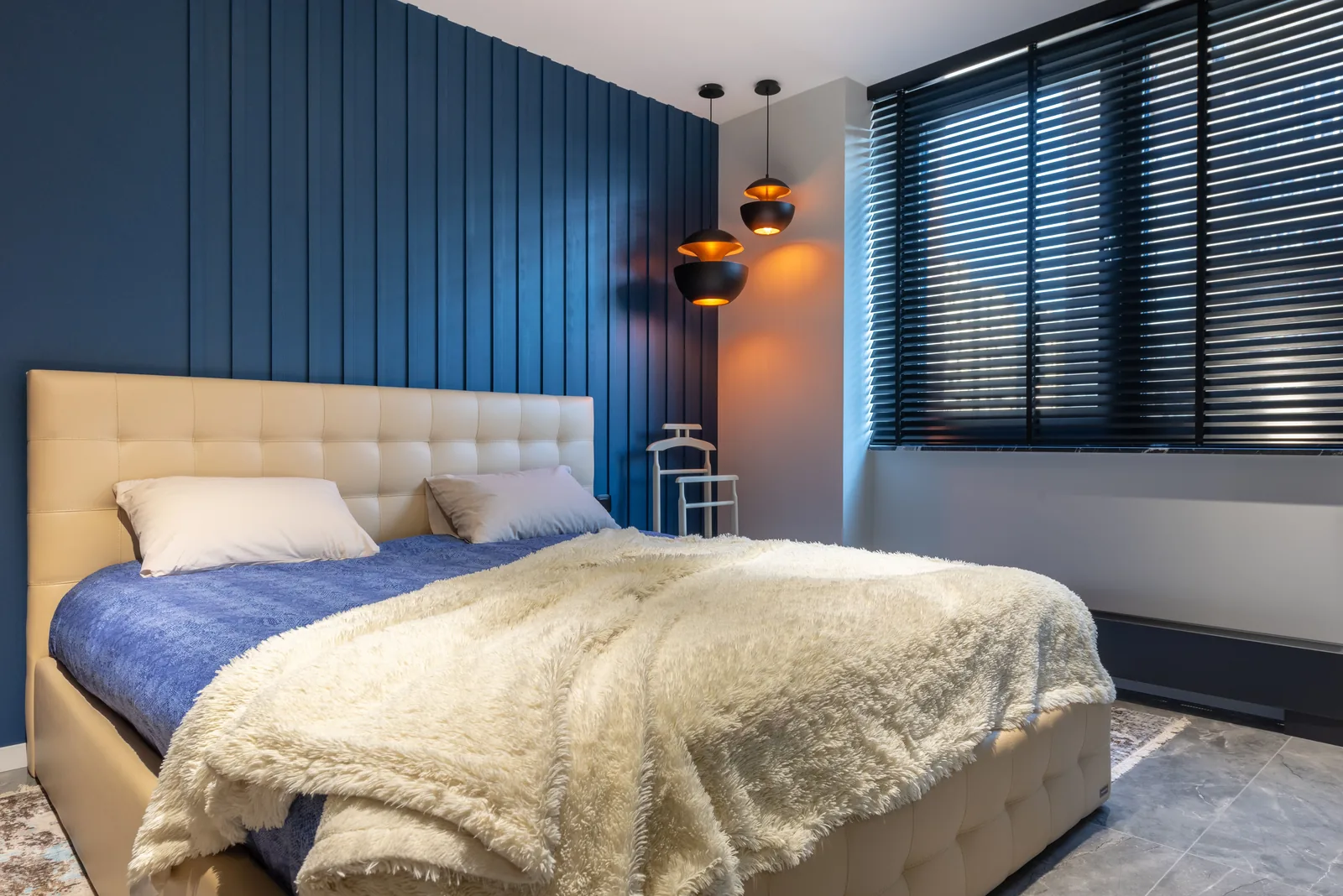
The SwitchBot Blind Tilt is the renter’s champion: adhesive-mounts to your existing blind’s headrail, leaves no holes, and moves with you. The same goes for SwitchBot Curtain 3 ($69–$89), which clamps onto an existing curtain rod and slides your curtains. Neither touches the walls.
Beyond motors, the no-drill blind market has matured: tension shades press-fit inside the frame with spring rods ($20–$70), adhesive cellular shades stick to the frame ($40–$70), and fully motorized no-drill rollers with remote — app and voice via an optional hub — run $150–$300 per window. The catch is fit: most tension mounts need 1.5–2 inches of frame depth, and heavy fabrics overwhelm a tension rod.
What renters should skip: screwed-in mounts, wired power, and dealer installation. And if your landlord’s blinds are already fitted, the Blind Tilt or an Aqara chain driver is the path of least resistance — you’re upgrading their blinds, not replacing them. For more no-drill inspiration, see our guides to renter-friendly smart bulbs and no-drilling smart locks; and if you’re weighing a hub in a rental, our hub guide breaks down the trade-offs.
How are automated shutters powered?
Batteries, mostly — rechargeable packs hidden in the headrail. SwitchBot estimated ~10 months per charge for the Blind Tilt at launch (less with heavy use); battery Serena shades need a cable every 6–12 months. Solar is the set-and-forget upgrade: the Blind Tilt’s bundled panel trickle-charges from window light. Wired power (Lutron’s power panel, SmartWings’ Power-over-Ethernet motor) is the pro route, but only realistic when walls are already open. Rule of thumb: batteries win for retrofits; wire it during a renovation.
Which automated shutters should you buy? Verdicts by situation
Renter with decent blinds already fitted: SwitchBot Blind Tilt. Nothing else automates this cheaply with zero damage. Add the Matter-enabled hub only if you want voice and routines.
Homeowner on a budget, many windows: SmartWings (~$150/window) or IKEA FYRTUR if your sizes fit its 23–48 inch range — treat FYRTUR as a clearance-era buy, not a platform to build on.
Matter-first household: Eve MotionBlinds. Native Matter over Thread, no bridge, no cloud dependency, works with every major platform — the $300–$400 all-in per-window cost is the price of being protocol-correct.
Premium whole-home, DIY-friendly: Lutron Serena. Near-silent, rock-solid Clear Connect radio, one bridge for lights and shades. Budget $400–$700 per installed window.
Design-led rooms, money no object: Hunter Douglas PowerView through a dealer — widest fabric choice, professional install, lifetime warranty.
Already have Somfy motors: stay in the ecosystem via the TaHoma Switch hub; its RTS and Zigbee 3.0 lines cover roller shutters, blinds, screens, awnings, and curtains in one app.
FAQs
What are automated shutters?
Motorized window coverings — blinds, shades, or curtains — that open, close, or tilt on schedules, via an app, or by voice command. Most smart products automate blinds and shades rather than true plantation shutters; retrofit kits motorize what you own, purpose-built shades replace the whole unit.
How much do automated shutters cost?
Retrofit kits run $50–$70 per window plus one shared hub; budget motorized shades cost $150–$300 per window; custom-order brands like Levolor run $166–$490+; Lutron Serena runs $400–$700 installed per window; dealer systems like Hunter Douglas PowerView run $500–$1,200+. An 18-window whole-home project spans roughly $2,700 to $19,000 depending on tier.
Can renters install automated blinds?
Yes. The SwitchBot Blind Tilt mounts with adhesive and leaves no holes, and no-drill motorized rollers use tension rods or adhesive blocks ($150–$300/window). Tension-mounted manual shades cost $20–$70. Avoid screwed-in mounts and wired power in rentals.
Do automated shutters work with Alexa, Google Home, and HomeKit?
Almost universally, yes — usually through a hub or bridge. Eve MotionBlinds connects directly via Matter over Thread; SwitchBot, Aqara, IKEA, Levolor, Lutron, and Somfy each need their own hub or bridge for voice control and routines.
Do automated blinds really save energy?
They can. Oak Ridge National Laboratory testing found cellular shades delivered up to 24% heating energy savings versus generic venetian blinds. The smart part matters: automated schedules actually move the shades at the right times — closing out afternoon sun in summer, opening for winter sun — which manual blinds rarely achieve.
Do automated shutters need a hub?
Sometimes. Eve’s Matter-over-Thread kit needs only a Thread border router you may already own (Apple TV 4K, HomePod mini, recent Echo/Nest). SwitchBot, Aqara, IKEA, Levolor, Lutron, and Somfy each require their own hub or bridge for app control beyond Bluetooth and for voice assistants.
Sources
- Oak Ridge National Laboratory — Pulling the shades for energy savings (24% heating savings finding)
- U.S. Department of Energy — Cellular shades recognized for energy savings; windows 30–40% of heat loss
- Mordor Intelligence — Automated Blinds and Shades Market ($2.73B, 2026)
- Data Insights Market — Motorized Blinds and Shades Market (61% retrofit shipments)
- ISUpgrades Design — Smart Blinds 2026: SwitchBot vs Eve vs IKEA Compared
- PR Newswire via Morningstar — SwitchBot Fall Sale 2026 (Blind Tilt 3-pack + Matter hub pricing)
- TechRadar — SwitchBot Blind Tilt review (five-minute install, pricing, limitations)
- Elevate Home Guide — Lutron Serena vs Hunter Douglas PowerView 2026
- Elevate Home Guide — Motorized Shades Cost Per Window 2026
- Elevate Home Guide — Retrofit Smart Home Without Rewiring 2026
- Smart Home Explorer — Hardwired Motorized Roller Shades 2026 (Serena pricing, SmartWings PoE Matter)
- AppleInsider — Lutron Serena Shades review (Caséta bridge, Clear Connect)
- AddToHomeKit — Somfy HomeKit compatibility guide (TaHoma, RTS, Zigbee)
- Somfy UK — Platform compatibilities (Zigbee and RTS motors)
- CEPro — Somfy Zigbee 3.0 native Control4 integration (CEDIA 2026)
- Blinds.com — Levolor Motorized Blackout Cellular Shades listing
- American Blinds — Levolor Motorized Banded Shades listing
- MadTasting — Best Smart Window Blinds 2026 (no-drill motorized options)




4 Comments